


July 29, 2025
Source: Web Hispania
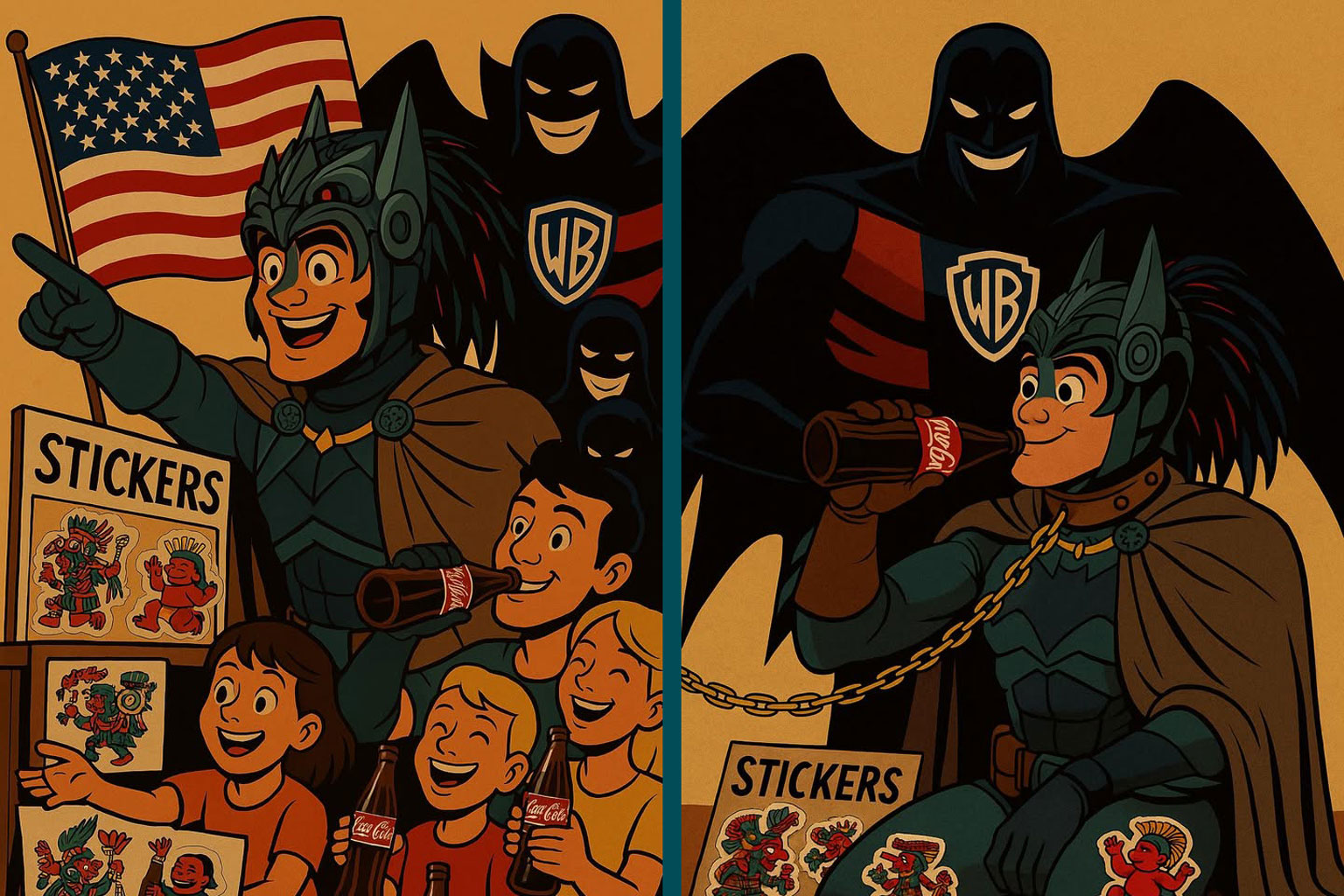
The new project from DC and HBO Max, Aztec Batman: Clash of Empires, aims to be more than just an animated film. It tries to blend pre-Hispanic culture with a global icon like Batman in a Black Legend-inspired reinterpretation of the vigilante myth. The idea itself isn’t bad. The problem—deep, ideological, and cultural—is how history is portrayed.
A distorted history, recycled propaganda, and the old anti-Spanish myth in animated form
What promised to be a chance to explore the richness and complexity of the indigenous world and the Spanish conquest quickly becomes an exercise in simplistic propaganda, where the Spaniard is the absolute villain and the indigenous character is a symbol of innocence and virtue.
From the very first moments of the trailer, the narrative direction is clear: heavily armed Spanish soldiers, phrases like “Kill them all!”, and an apocalyptic tone. The visual framework is built to deliver a binary, moralizing message: the Spaniard as the embodiment of evil, and the Mexica world as a pure and helpless victim. It’s not “the European colonizer” being caricatured here—it’s the Spaniard, and only the Spaniard, who is systematically cast as the face of colonial brutality. The French in Haiti? The English in Virginia? The Belgians in the Congo? Nowhere to be found.
Aztec Batman – Official Trailer
This kind of portrayal doesn’t survive even the lightest historical scrutiny. It is an ideological construct that ignores facts, primary sources, and centuries of serious research on what actually happened between 1519 and 1521.
What the film conveniently ignores:
- That the Mexica Empire was imperial, militaristic, and oppressive, ruling through tribute and war.
- That human sacrifice was central to their religious worldview, with thousands of victims annually.
- That the conquest was not Spaniards vs. natives, but a massive indigenous civil war, with the Spaniards as one more faction—alongside Tlaxcalans, Totonacs, and others.
- That Spain held theological and legal debates about the legitimacy of conquest, creating the Laws of the Indies and recognizing natives as legal subjects with souls and rights—unlike any other colonial power of the time.
- That mestizaje, both cultural and biological, was not incidental—it was foundational.
None of this appears in the movie. Instead, we get a flat, emotionally charged, intellectually hollow story. That’s not history—it’s agitprop in animation.
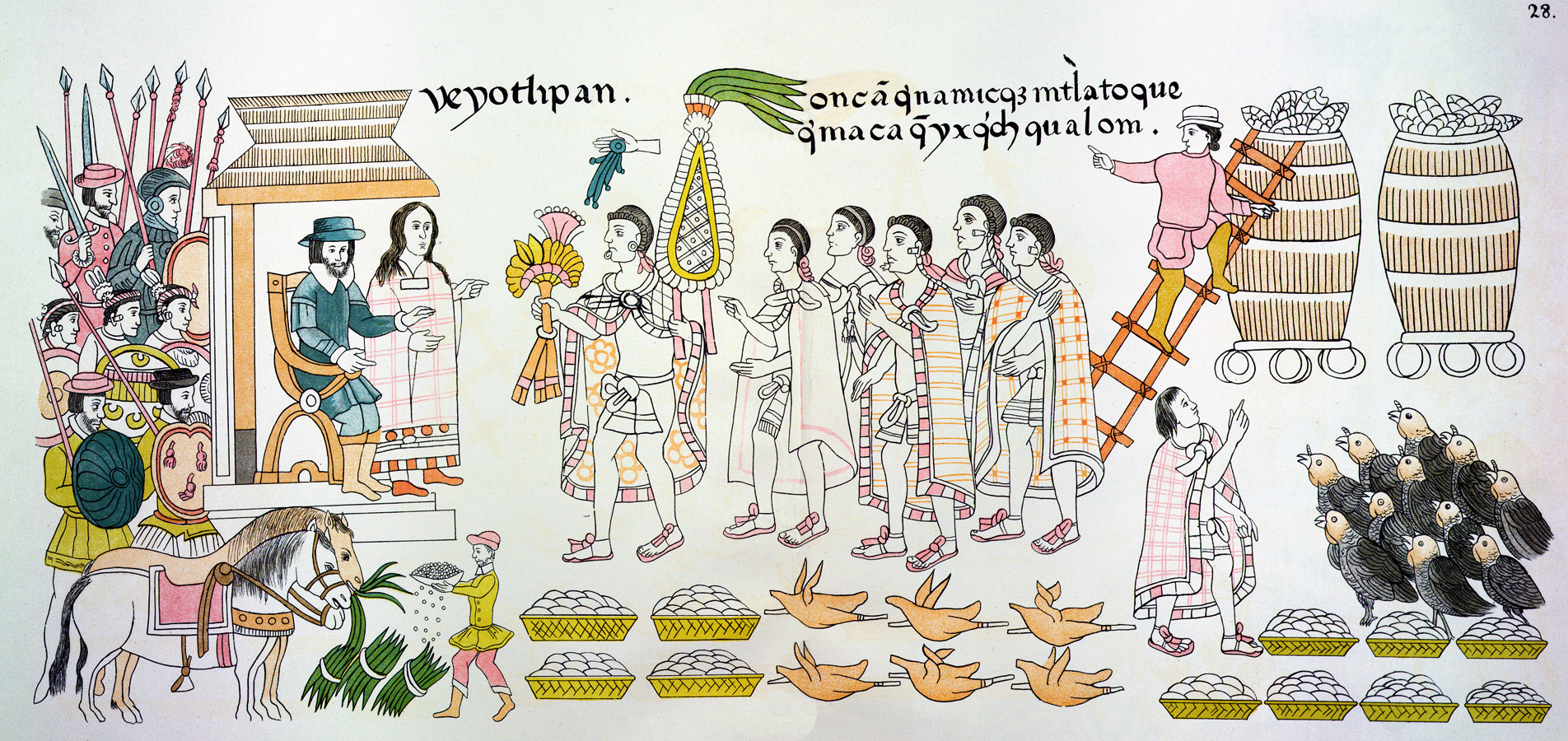
Tributo y alianza: tlaxcaltecas abastecen a Cortés, prueba gráfica de que la conquista fue una guerra mesoamericana con pactos indígenas decisivos.
The Eternal Spanish Stereotype
Demonizing Spaniards in Western media is nothing new. For decades, the Spanish figure in film has been:
- The religious fanatic who burns books and people.
- The bloodthirsty conquistador obsessed with gold.
- The cartoonish Inquisitor.
- Or the bumbling fool, easily outsmarted.
This isn’t just lazy writing—it’s the legacy of the Black Legend, a centuries-long propaganda campaign designed by Spain’s geopolitical enemies: England, the Netherlands, and later the U.S.
Batman Azteca doesn’t break from this—it embraces it. It just gives it a sleeker costume and smoother animation.
What if the Conquerors Were English?
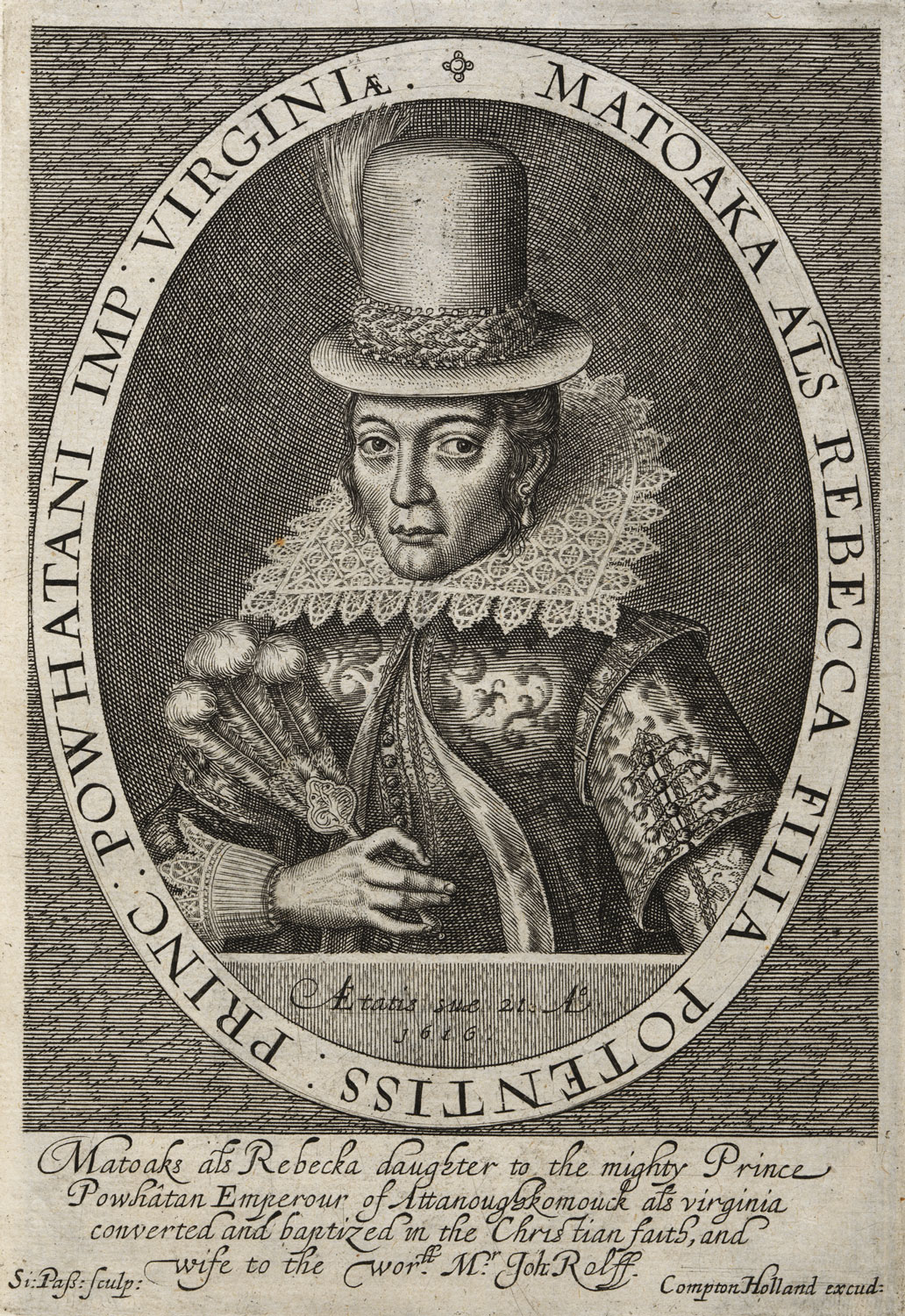
Pocahontas convertida en “Lady Rebecca”: emblema de propaganda inglesa que Hollywood reduce a cuento romántico.
Here’s the key question: why isn’t this done with British colonialism?
Take Pocahontas (Disney, 1995). John Smith is brave, wise, poetic. The English are curious, sometimes misguided, but redeemable. The real Pocahontas was about 11 years old when she met John Smith. She was kidnapped, converted, married off, and paraded around England as a tamed savage. She died at 21, never returning to her homeland.
Yet in Disney’s telling, it’s a multicultural love story.
Why? Because you don’t demonize the British Empire in mainstream media. You demonize Spain. The Black Legend lives.
The Cost of This Narrative
This double standard isn’t harmless. It:
- Reinforces anti-Spanish prejudice.
- Spreads historical misinformation.
- Prevents younger generations from understanding the real complexity of colonial encounters.
While the British and Americans get to rewrite themselves as flawed but noble explorers, Spaniards remain stuck as medieval villains—no nuance, no redemption.
And this is especially tragic in Latin America, where mestizaje, not extermination, was the basis for the nations that later emerged.
But beyond historical distortion, this narrative robs millions of Hispanics —in both the Americas, Spain, and even the Philippines— of their own heritage.
It severs them from a past that is not only complex and painful, but also rich, foundational, and worth knowing.

Disney’s Pocahontas softens English colonisation into a tender exchange between John Smith and Pocahontas—far from the historical reality.
By reducing everything to cartoon villains and silent victims, it denies entire generations the right to understand who they are and where they come from.
Conclusion
Batman Azteca had a unique opportunity to explore a difficult but fascinating period of history. It could have shown the magnificence of the Mexica world without erasing its dark sides. It could have presented the Spaniards as complex historical actors—not monsters. It could have offered a story rooted in truth, not ideology.
But instead, it chose the easy path:
- Cliché over context.
- Cartoon villainy over reality.
- The Black Legend… in tights.
Share this article
On this day
- 1177 Reconquista: Alfonso VIII and Alfonso II surrender Cuenca after nine months of siege.
- 1292 Reconquista: Sancho IV conquers Tarifa after an economically exhausting campaign.
- 1526 Spanish pilot Bartolomé Ruiz landed at and gave name to San Mateo de las Esmeraldas Bay in Ecuador.
- 1551 The Royal University of México was founded, the first in North America, created by a Royal Decree of Emperor Carlos V and signed in his name by prince Felipe in Toro, Zamora.
- 1558 Carlos V dies in Yuste.
- 1794 Malaspina's expedition returns.
- 1832 British writer Walter Scott dies.
- 1895 Juan de la Cierva y Codorníu (d. 1936) is born in Murcia.
History of Spain