
Source:dariomadrid.es
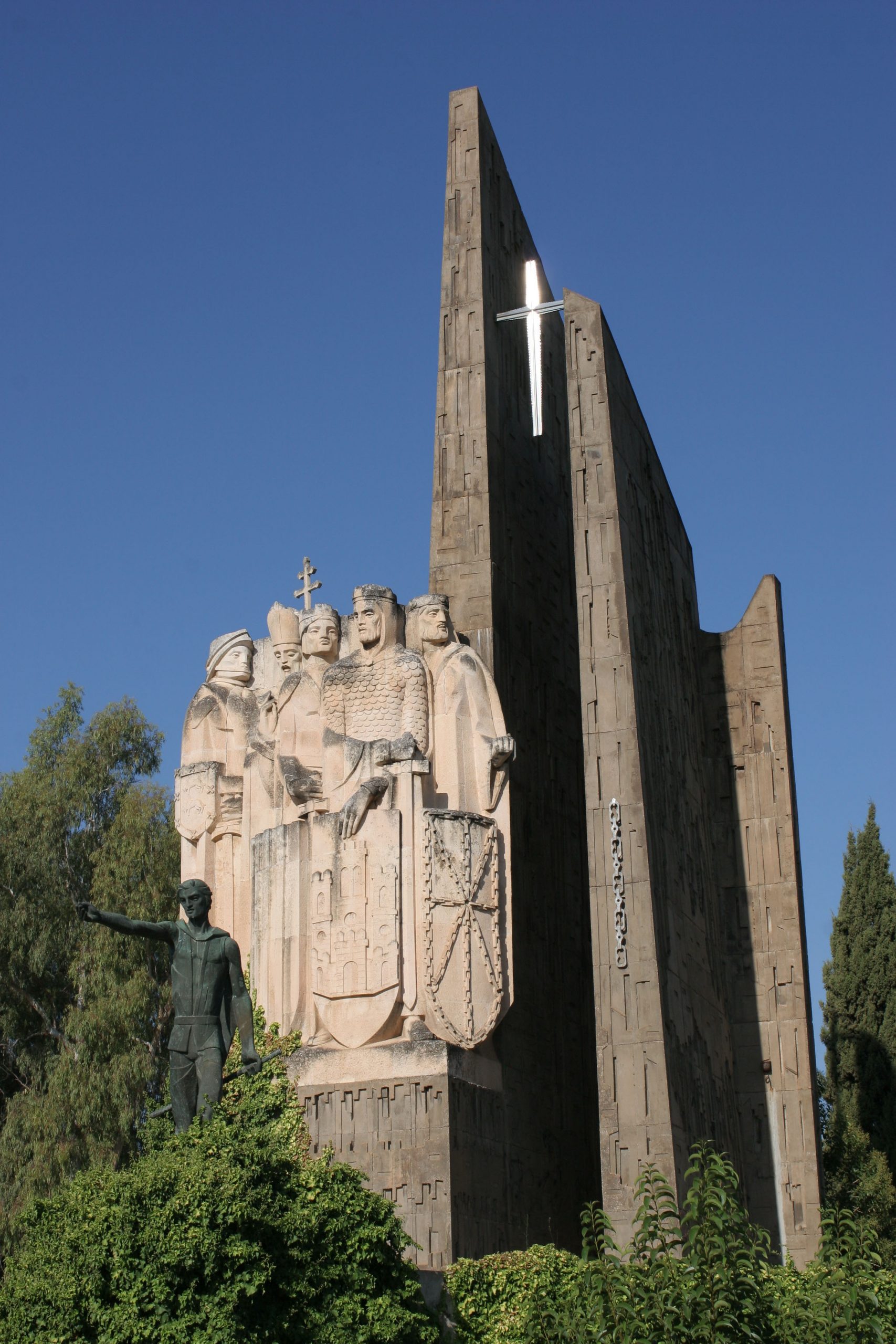
It was on 16 July 1212, that the alliance of three Hispanic kings (Alfonso VIII of Castile, Pedro II of Aragon and Sancho VII of Navarre) defeated the army of the Caliph al-Nassir at Navas de Tolosa, marking the decline of Islam in the Iberian Peninsula.
After the fall of Salvatierra to the Almohads (1211), Pope Innocent III, at the behest of the Archbishop of Toledo, authorised Alfonso VIII of Castile to call for a crusade to defeat the Muslims and threatened those who hindered it with excommunication.
SuspirodelMoro, CC BY 3.0, via Wikimedia Commons
Alfonso VIII obtained the direct support of Aragon and Navarre, whose kings took part in the battle, and the indirect support of Portugal and Leon, who did not send their armies but allowed volunteers to come. Thanks to the call for the crusade, volunteers came from all over Europe.
For his part, the Caliph Muhammad al-Nassir, “Miramamolin”, called for a “jihad” with the idea of recovering the lost territory of “al-Andalus”. Large numbers of Andalusian, Maghrebi and Turkmen troops came to the meeting… In total, he would have formed an army of 120,000 men.
The Christian army left Toledo on 20 June 1212. As they approached the present-day province of Jaén, the foreigners abandoned the party as they were more interested in the spoils of the towns they were conquering than in the definitive Almohad defeat.
“Miramamolín” waited for the Christians with his army ambushed in Despeñaperros, a place that was not exactly easy to cross in the 13th century. According to legend, a shepherd would have guided the Christian troops through a pass marked with cow’s heads that allowed them to avoid the Muslims. Legend has it that it could have been San Isidro.
Encamped on flat ground near the Muslim emplacement, they fought small skirmishes for two days. On the 16th of July, the Christians decided to attack with all their strength, with the cavalry of Diego López II de Haro in the vanguard, shouting “¡Santiago!
Throughout the morning of the 16th, López de Haro’s cavalry battled with the Almohad light cavalry. At midday, on the verge of being defeated as they were almost surrounded, Alfonso VIII ordered an attack by the heavy Castilian, Aragonese and Navarrese cavalry in the rear.
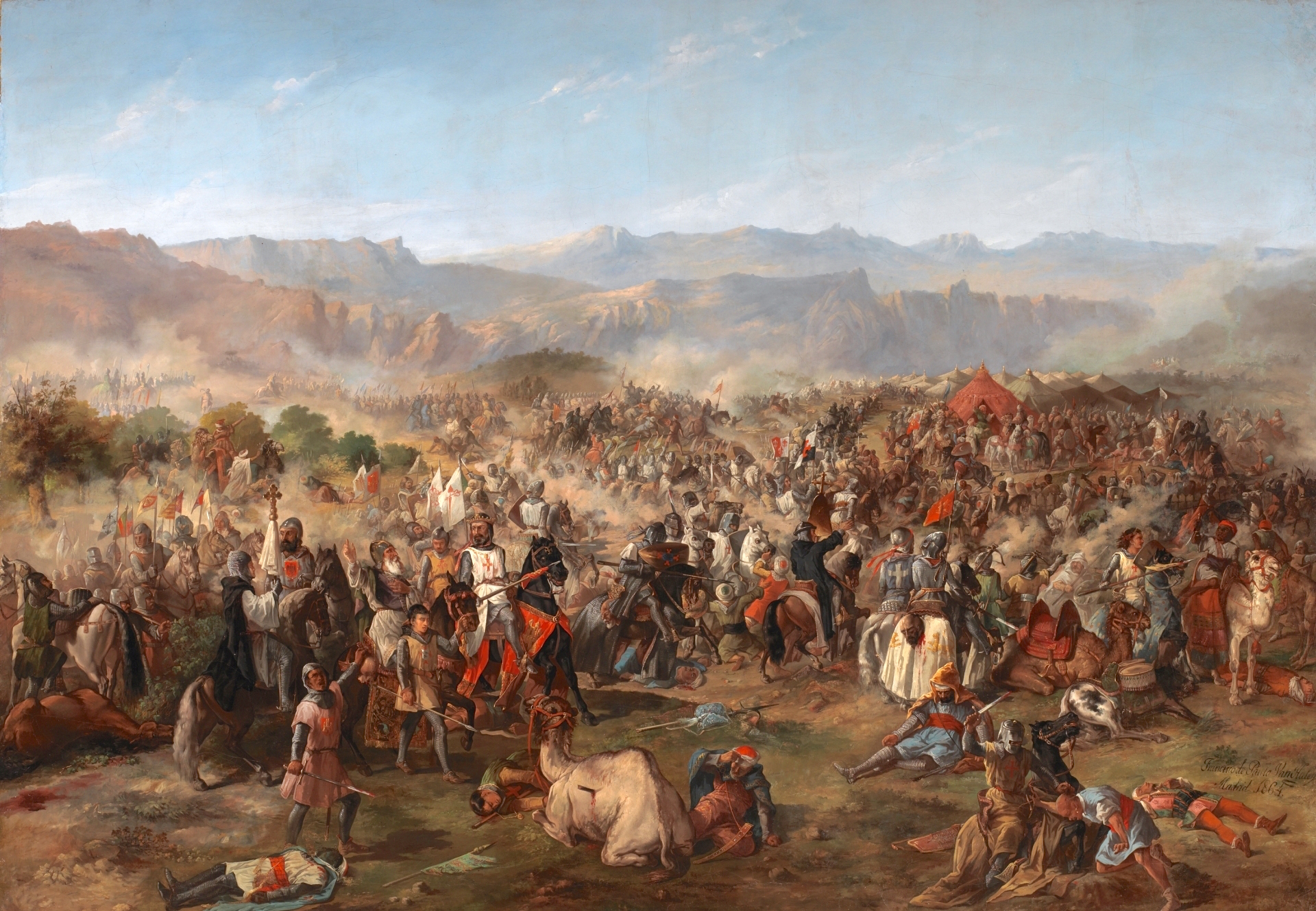
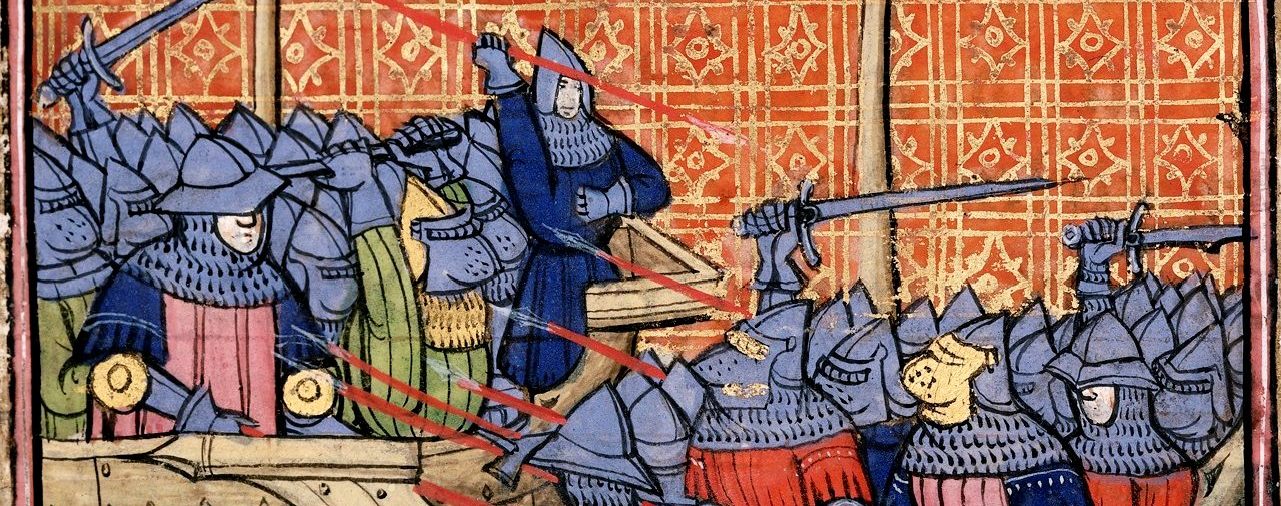
It was at this point that the famous “Charge of the Three Kings” took place. Alfonso VIII of Castile, Pedro II of Aragon and Sancho VII of Navarre put themselves at the head of their heavy cavalry and set out to win or die. Thank God, they triumphed.
The Christian army managed to break through the three Muslim lines in a fight that lasted all afternoon and the Navarrese troops managed to reach the royal palace of the Caliph “Miramamolin”, defeating the black slaves who were protecting him and breaking the chains that bound them.
With the Moors defeated, the Christians pursued them for 20 or 25 kilometres until sunset: the booty had to be collected. The caliph managed to flee to Jaén. Thanks to the Christian triumph, the Sierra Morena passes were secured and the Muslim decline began.
Share this article
On this day
- 1690 The excellent Baroque painter Juan de Valdés Leal, nemesis of Murillo and famous for his "Vanitas" in the Hospital de la Caridad, dies in Sevilla.
- 1940 At dawn, Lluís Company y Jover, President of the Generalitat de Catalunya, is shot by a picket of soldiers at Montjuic Castle for the crime of military rebellion.
History of Spain