How the Costa Rican Spanish defeated the English
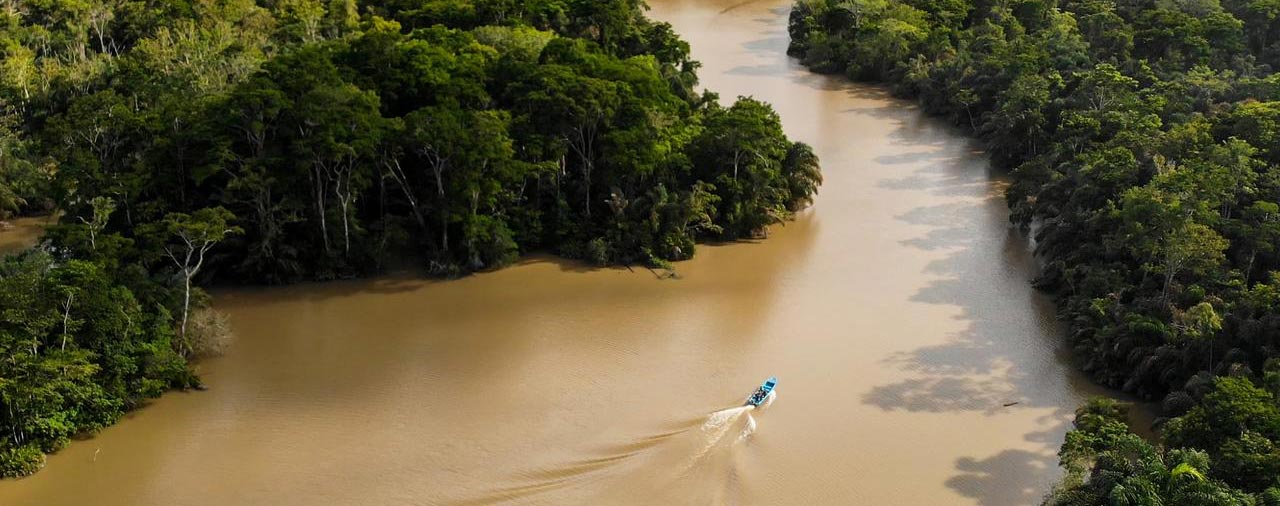
Source:hdavila.com In April 1666, being the province of Nueva Cartago and Costa Rica being the poore [...]
If you didn't find what you were looking for, try a new search!
Source:hdavila.com In April 1666, being the province of Nueva Cartago and Costa Rica being the poore [...]
Source:Sonrisas en el camino There are events in the History of Spain that are significant for thei [...]
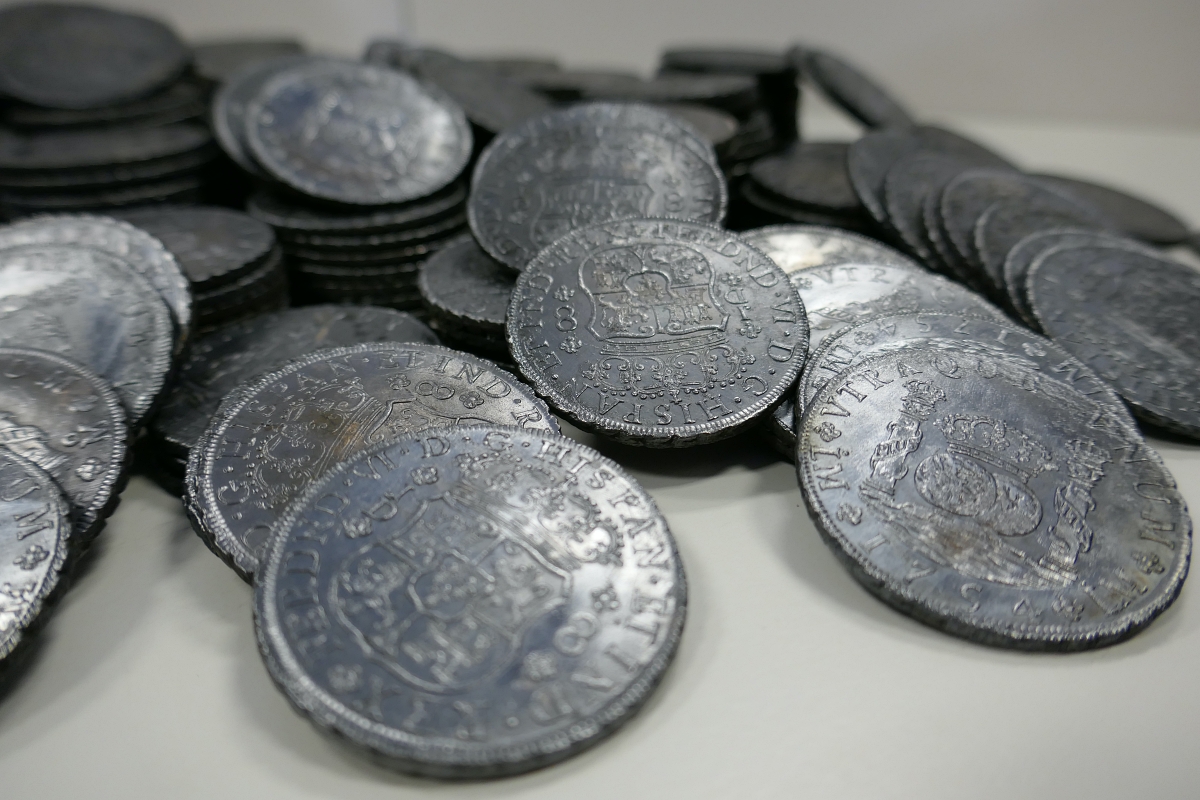
The real de a ocho, also known as the Spanish dollar or piece of eight, was the world’s first truly global currency. Minted by the Spanish Empire from the 16th century onward, it became the de facto standard in international trade, influencing currencies as far-ranging as the US dollar, Chinese yuan, and Japanese yen. With a remarkable lifespan and worldwide reach, the real de a ocho laid the foundation for the modern global monetary system.
Source:Sonrisas en el camino Iconoclastic Madness We are witnessing, with astonishment, studied an [...]
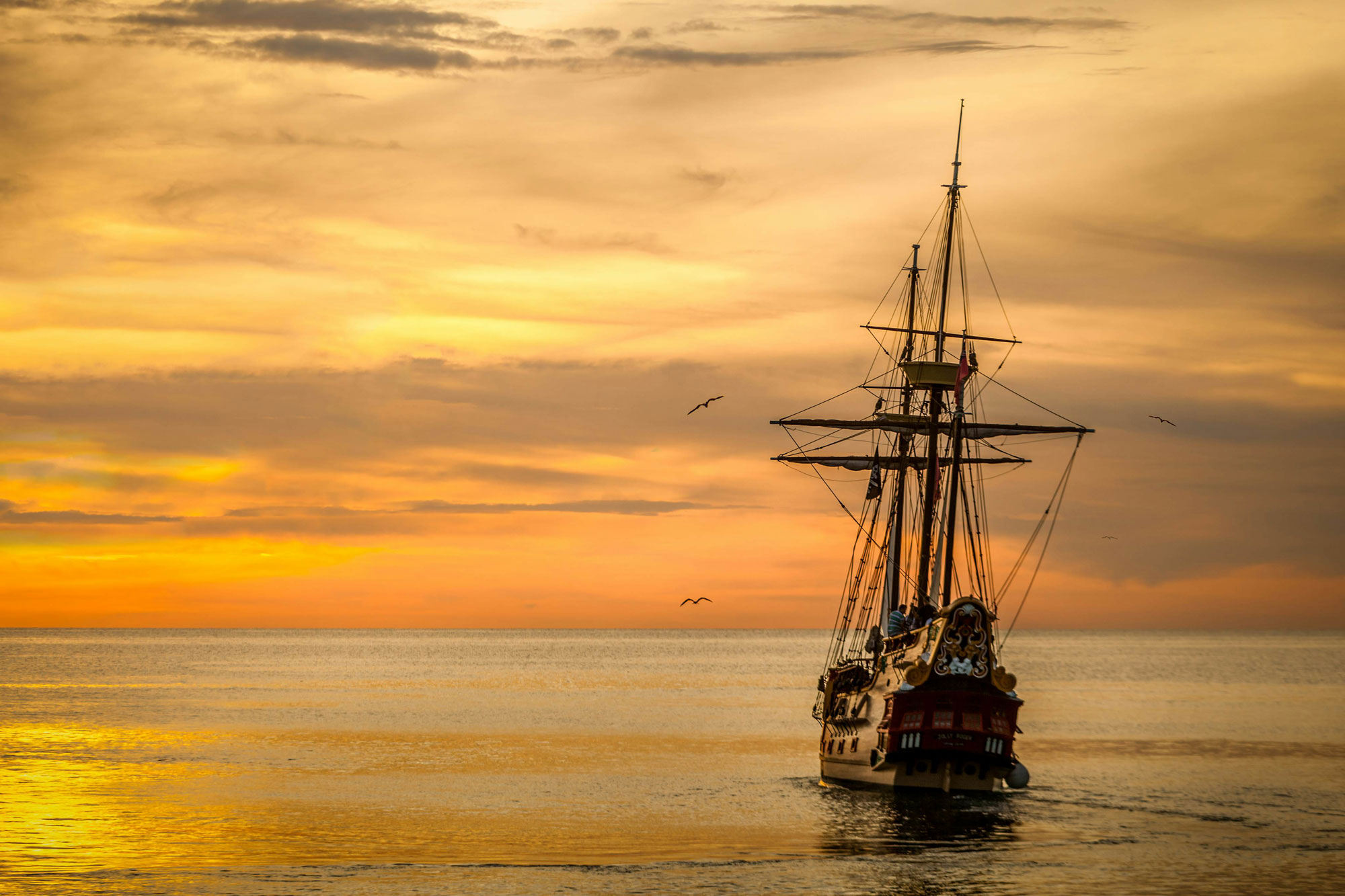
The Manila Galleon (1565-1815) marked humanity's first truly global trade network, connecting Spain, the Americas, and Asia through a groundbreaking 15,000-nautical-mile route. These legendary ships transported Mexican silver to Manila in exchange for Chinese silks, porcelain, and Asian spices, creating unprecedented commercial and cultural connections across three continents. Over 250 years, this Spanish maritime route completed 662 voyages, transformed Manila into a multicultural hub, and established the foundations of modern global trade. Their legacy lives on in everything from Filipino architecture to language, marking one of history's most remarkable chapters of cultural exchange.
The Fleet of Indies (1503-1789) marked a pivotal moment in global commerce as Spain established the world's first true international trade network. This sophisticated system of annual convoys connected Spain with its American territories and the Philippines through a 15,000-nautical-mile route. Strictly regulated by the Casa de Contratación and protected by warships, these fleets transported European manufactured goods to the Americas, returning with silver and new agricultural products. This revolutionary maritime system operated for nearly three centuries, creating unprecedented intercontinental trade links and establishing the foundations for modern global commerce.
Source:ABC Santiago Fernández Menéndez analyses in the "Estudio de la enfermedad de Fernando VI" ( [...]
Source:ABC Eloy Gonzalo was the only Spanish soldier to achieve true fame in the media between 189 [...]
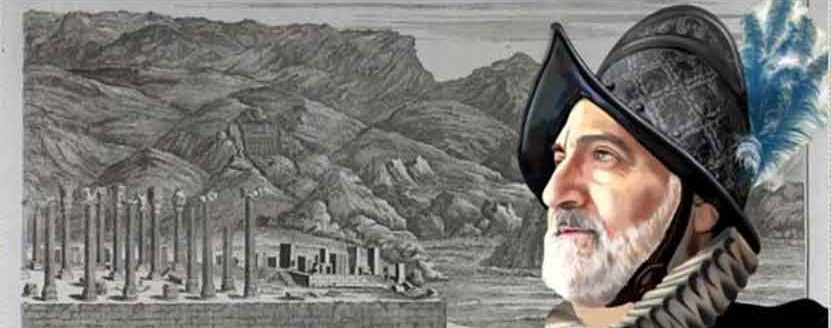
Source:ABC Ambassador García de Silva y Figueroa arrived in Persia in 1618, by order of Philip III [...]
Source:Libertad Digital It would seem that the "estelada" is a particular matter for the posh and [...]