The search for Australia, the southern hemisphere’s mysterious continent
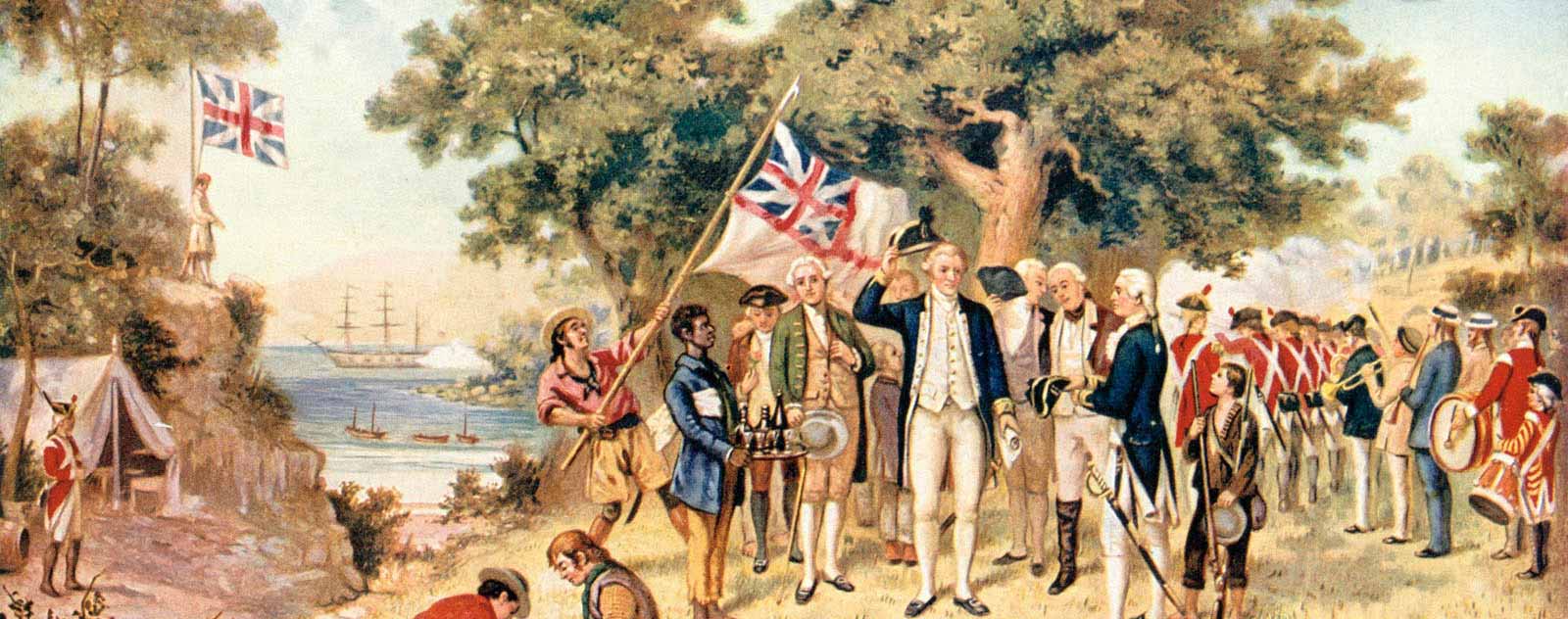
Source:National Geographic For centuries European navigators dreamed of finding Terra Australis, a [...]
If you didn't find what you were looking for, try a new search!
Source:National Geographic For centuries European navigators dreamed of finding Terra Australis, a [...]
Source:Fundación Disenso Five hundred years later, amidst a multitude of controversies, anachronist [...]
Source:Libertad Digital Former congressman César Combina denounces Pedro Castillo's party, Perú Li [...]
The worst terrorist organisation the Americas have ever known murdered tens of thousands of Peruvians in the last 20 years of the 20th century.
A critical analysis reveals the historical distortion in Francis Drake's glorification, evidenced by a recent tweet erroneously proclaiming him as the "first commander" to circumnavigate the world. This narrative ignores previous circumnavigations by Juan Sebastián Elcano (1522) and García Jofre de Loaísa (1536). It also omits controversial aspects of Drake, such as his pirate activities, military failures, and involvement in the slave trade. This tendency to exaggerate British achievements while minimizing Spanish ones reflects national insecurity and reluctance to face historical realities objectively. It's crucial to approach these narratives with a critical eye for a more complete and nuanced understanding of naval history.
A critical analysis reveals the historical distortion in Francis Drake's glorification, evidenced by a recent tweet erroneously proclaiming him as the "first commander" to circumnavigate the world. This narrative ignores previous circumnavigations by Juan Sebastián Elcano (1522) and García Jofre de Loaísa (1536). It also omits controversial aspects of Drake, such as his pirate activities, military failures, and involvement in the slave trade. This tendency to exaggerate British achievements while minimizing Spanish ones reflects national insecurity and reluctance to face historical realities objectively. It's crucial to approach these narratives with a critical eye for a more complete and nuanced understanding of naval history.
A critical analysis reveals the historical distortion in Francis Drake's glorification, evidenced by a recent tweet erroneously proclaiming him as the "first commander" to circumnavigate the world. This narrative ignores previous circumnavigations by Juan Sebastián Elcano (1522) and García Jofre de Loaísa (1536). It also omits controversial aspects of Drake, such as his pirate activities, military failures, and involvement in the slave trade. This tendency to exaggerate British achievements while minimizing Spanish ones reflects national insecurity and reluctance to face historical realities objectively. It's crucial to approach these narratives with a critical eye for a more complete and nuanced understanding of naval history.
A critical analysis reveals the historical distortion in Francis Drake's glorification, evidenced by a recent tweet erroneously proclaiming him as the "first commander" to circumnavigate the world. This narrative ignores previous circumnavigations by Juan Sebastián Elcano (1522) and García Jofre de Loaísa (1536). It also omits controversial aspects of Drake, such as his pirate activities, military failures, and involvement in the slave trade. This tendency to exaggerate British achievements while minimizing Spanish ones reflects national insecurity and reluctance to face historical realities objectively. It's crucial to approach these narratives with a critical eye for a more complete and nuanced understanding of naval history.
A critical analysis reveals the historical distortion in Francis Drake's glorification, evidenced by a recent tweet erroneously proclaiming him as the "first commander" to circumnavigate the world. This narrative ignores previous circumnavigations by Juan Sebastián Elcano (1522) and García Jofre de Loaísa (1536). It also omits controversial aspects of Drake, such as his pirate activities, military failures, and involvement in the slave trade. This tendency to exaggerate British achievements while minimizing Spanish ones reflects national insecurity and reluctance to face historical realities objectively. It's crucial to approach these narratives with a critical eye for a more complete and nuanced understanding of naval history.