Need a new search?

If you didn't find what you were looking for, try a new search!

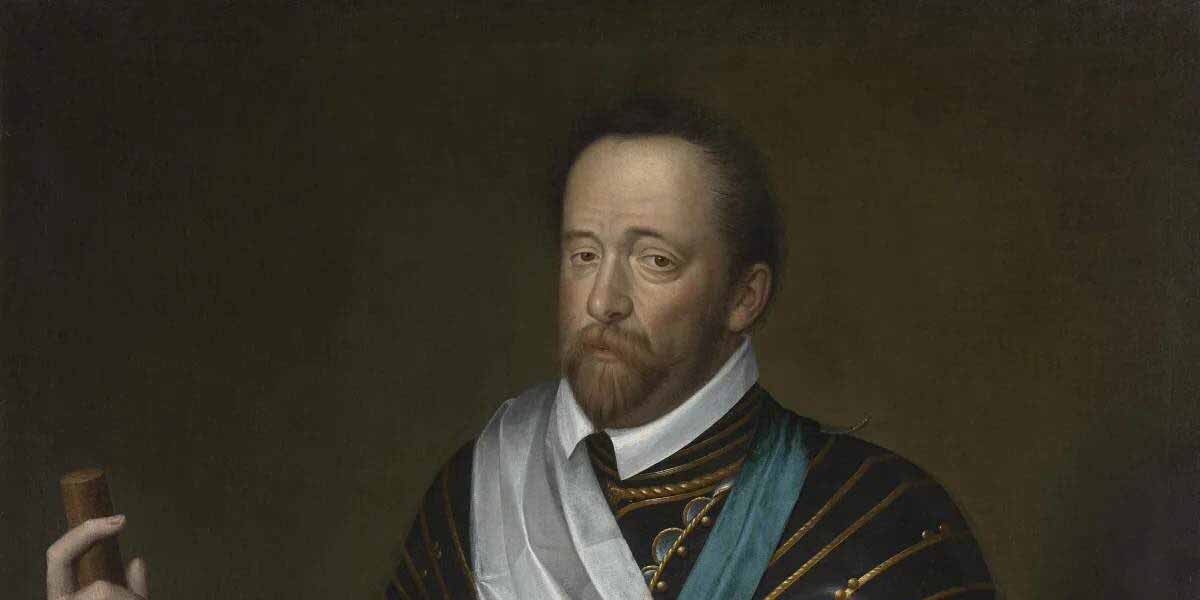
María Pita: The Spanish Woman Who Made Francis Drake Retreat

By |2025-05-18T00:11:31+01:00May 16th, 2025|History of Spain, Debunking the Black Legend, Historical Figures|

In 1797, a massive British force attempted to seize Puerto Rico and failed. This article tells the story of how Spanish troops, local militias, freed slaves, and volunteers defended San Juan against overwhelming odds. Far from the image of a crumbling empire, this was a display of unity, strategy, and heroism that deserves a place in our historical memory.

Historical Distortion in the Glorification of Francis Drake

By |2025-05-04T16:02:41+01:00August 24th, 2024|Debunking the Black Legend, Featured|

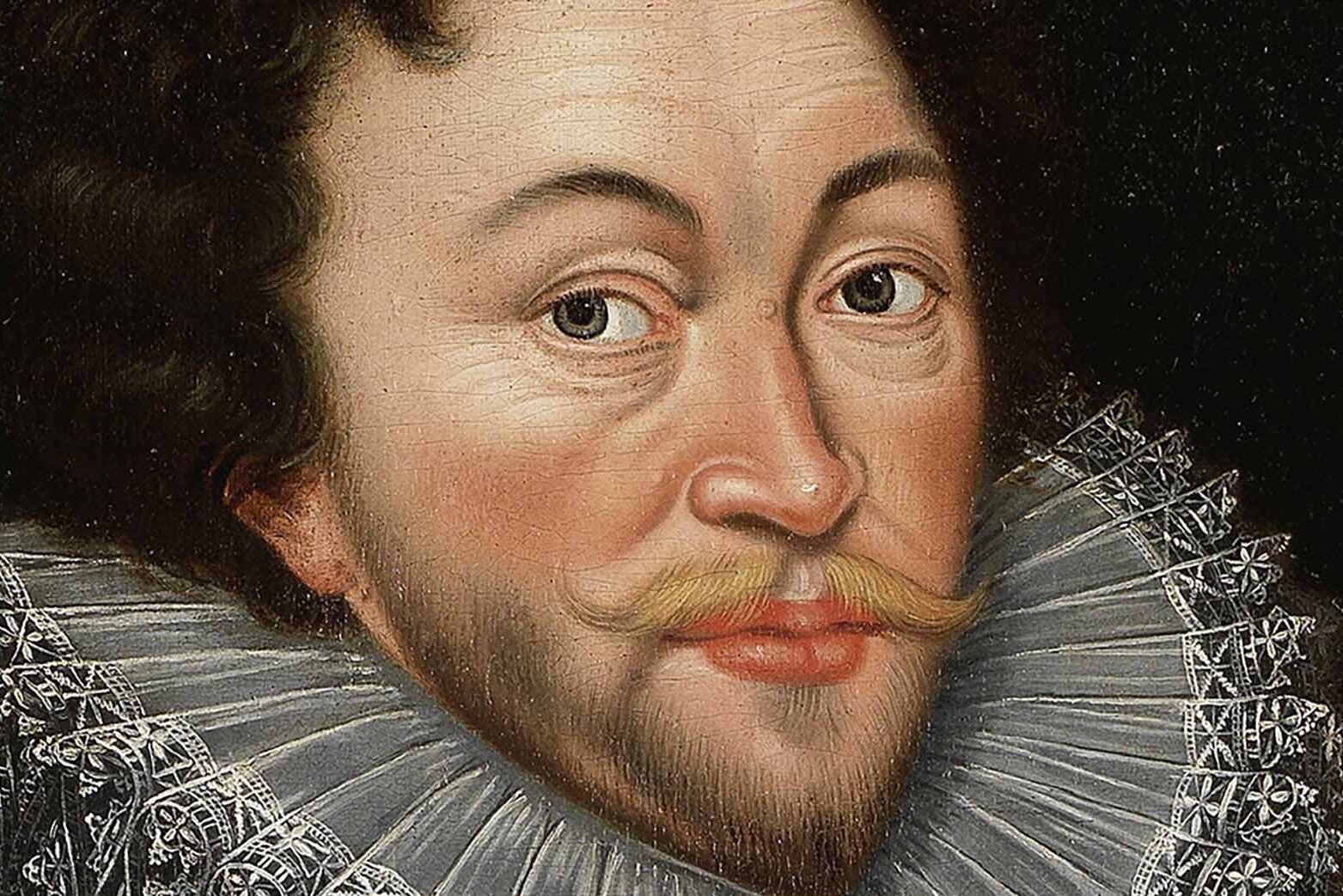
A critical analysis reveals the historical distortion in Francis Drake's glorification, evidenced by a recent tweet erroneously proclaiming him as the "first commander" to circumnavigate the world. This narrative ignores previous circumnavigations by Juan Sebastián Elcano (1522) and García Jofre de Loaísa (1536). It also omits controversial aspects of Drake, such as his pirate activities, military failures, and involvement in the slave trade. This tendency to exaggerate British achievements while minimizing Spanish ones reflects national insecurity and reluctance to face historical realities objectively. It's crucial to approach these narratives with a critical eye for a more complete and nuanced understanding of naval history.

María Pita, the woman from La Coruña who confronted the pirate Drake

By |2025-05-16T11:14:51+01:00March 26th, 2015|Featured, Historical Figures|

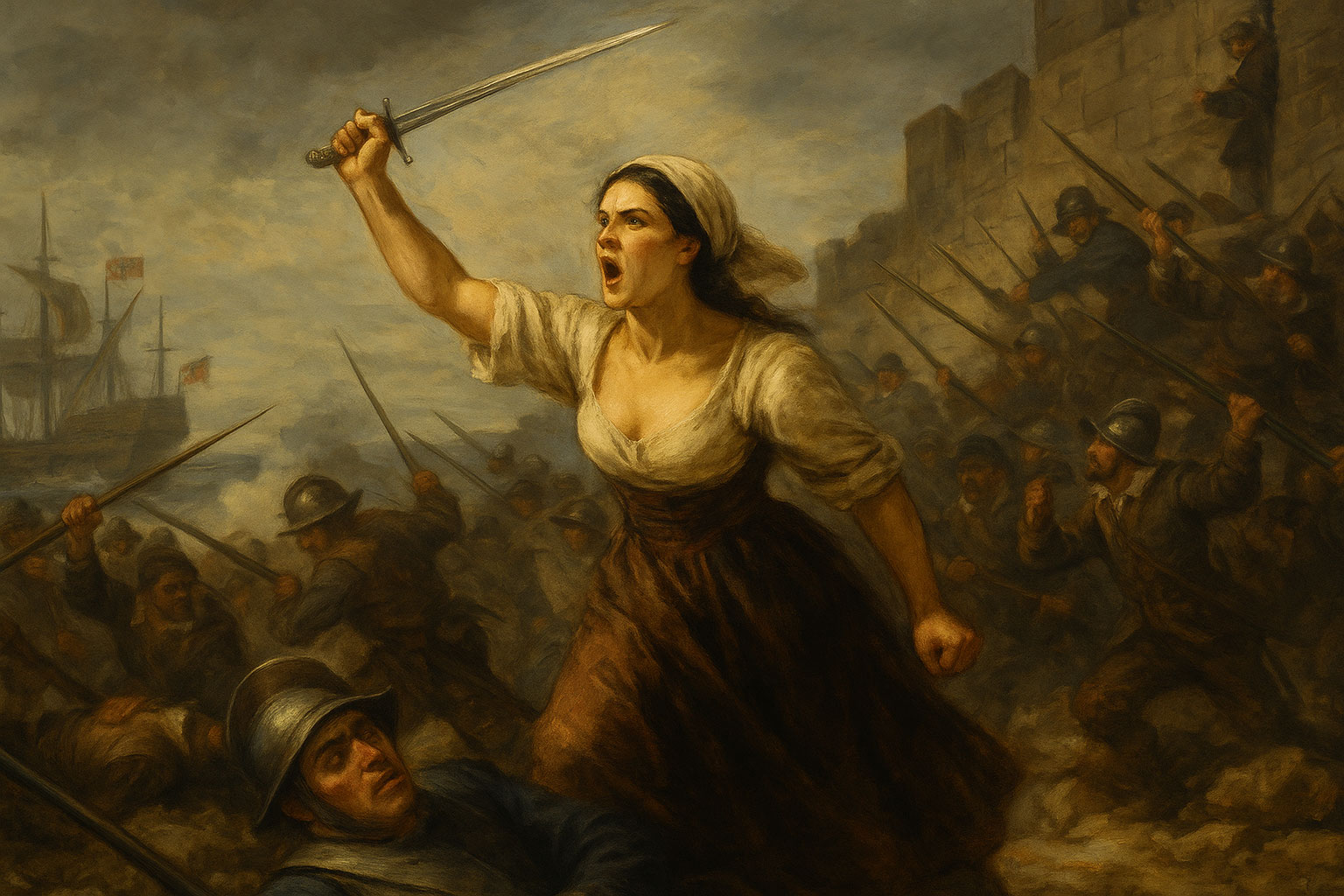
Before Spain had "official" heroines, there was María Pita. In 1589, as Francis Drake led the infamous Counter Armada to pillage La Coruña, a woman from the fishmongers' quarter defied the odds—and the English. Standing beside her fallen husband, she seized a weapon, struck down the officer leading the charge, and turned the tide. This article by Tito Batán revisits that pivotal moment when one Galician woman disrupted an imperial fantasy—and made history fight back.

Administrative sanctions for those who disagree with “Democratic Memory”

By |2024-09-08T22:43:42+01:00July 20th, 2021|Dossier|

A critical analysis reveals the historical distortion in Francis Drake's glorification, evidenced by a recent tweet erroneously proclaiming him as the "first commander" to circumnavigate the world. This narrative ignores previous circumnavigations by Juan Sebastián Elcano (1522) and García Jofre de Loaísa (1536). It also omits controversial aspects of Drake, such as his pirate activities, military failures, and involvement in the slave trade. This tendency to exaggerate British achievements while minimizing Spanish ones reflects national insecurity and reluctance to face historical realities objectively. It's crucial to approach these narratives with a critical eye for a more complete and nuanced understanding of naval history.

Memorialist associations take on official status

By |2024-09-08T22:42:02+01:00July 20th, 2021|Dossier|

A critical analysis reveals the historical distortion in Francis Drake's glorification, evidenced by a recent tweet erroneously proclaiming him as the "first commander" to circumnavigate the world. This narrative ignores previous circumnavigations by Juan Sebastián Elcano (1522) and García Jofre de Loaísa (1536). It also omits controversial aspects of Drake, such as his pirate activities, military failures, and involvement in the slave trade. This tendency to exaggerate British achievements while minimizing Spanish ones reflects national insecurity and reluctance to face historical realities objectively. It's crucial to approach these narratives with a critical eye for a more complete and nuanced understanding of naval history.

Ways of imposition of the “Democratic Memory”

By |2024-09-08T22:39:13+01:00July 20th, 2021|Dossier|

A critical analysis reveals the historical distortion in Francis Drake's glorification, evidenced by a recent tweet erroneously proclaiming him as the "first commander" to circumnavigate the world. This narrative ignores previous circumnavigations by Juan Sebastián Elcano (1522) and García Jofre de Loaísa (1536). It also omits controversial aspects of Drake, such as his pirate activities, military failures, and involvement in the slave trade. This tendency to exaggerate British achievements while minimizing Spanish ones reflects national insecurity and reluctance to face historical realities objectively. It's crucial to approach these narratives with a critical eye for a more complete and nuanced understanding of naval history.

The left and the nationalists only have victims, not perpetrators

By |2024-09-08T22:32:14+01:00July 20th, 2021|Dossier|

A critical analysis reveals the historical distortion in Francis Drake's glorification, evidenced by a recent tweet erroneously proclaiming him as the "first commander" to circumnavigate the world. This narrative ignores previous circumnavigations by Juan Sebastián Elcano (1522) and García Jofre de Loaísa (1536). It also omits controversial aspects of Drake, such as his pirate activities, military failures, and involvement in the slave trade. This tendency to exaggerate British achievements while minimizing Spanish ones reflects national insecurity and reluctance to face historical realities objectively. It's crucial to approach these narratives with a critical eye for a more complete and nuanced understanding of naval history.

The preamble, a reflection of an anti-democratic project

By |2024-09-08T22:25:52+01:00July 20th, 2021|Dossier|

A critical analysis reveals the historical distortion in Francis Drake's glorification, evidenced by a recent tweet erroneously proclaiming him as the "first commander" to circumnavigate the world. This narrative ignores previous circumnavigations by Juan Sebastián Elcano (1522) and García Jofre de Loaísa (1536). It also omits controversial aspects of Drake, such as his pirate activities, military failures, and involvement in the slave trade. This tendency to exaggerate British achievements while minimizing Spanish ones reflects national insecurity and reluctance to face historical realities objectively. It's crucial to approach these narratives with a critical eye for a more complete and nuanced understanding of naval history.

Go to Top