


July 23, 2025
Source: Web Hispania
On 8 August 1588, off Gravelines, English pamphleteers announced that Spain’s “Invincible Armada” had been crushed by the brilliance of Sir Francis Drake and Lord Charles Howard. The recent feature on History.com echoes—with scant nuance—this triumphalist reading and, worse still, introduces several factual errors (for example, it presents the whole archipelago as a single “Protestant isle”).
What the primary evidence actually shows—Spanish and English campaign diaries, Howard’s dispatches, Medina Sidonia’s correspondence—and what modern research confirms is a more complex picture. Below you will find eight literal statements from the History.com article, each followed by the documentary record that contradicts or severely qualifies it. The broader frame— the nineteen-year Anglo-Spanish War (1585-1604)—also appears, because the Armada and the English Counter-Armada form two halves of a single story whose final balance clearly favoured the Spanish Monarchy.
Statement 1
“Off the coast of Gravelines … Spain’s so-called ‘Invincible Armada’ is defeated … After eight hours of furious fighting, a change in wind direction prompted the Spanish to break off from the battle and retreat toward the North Sea.”
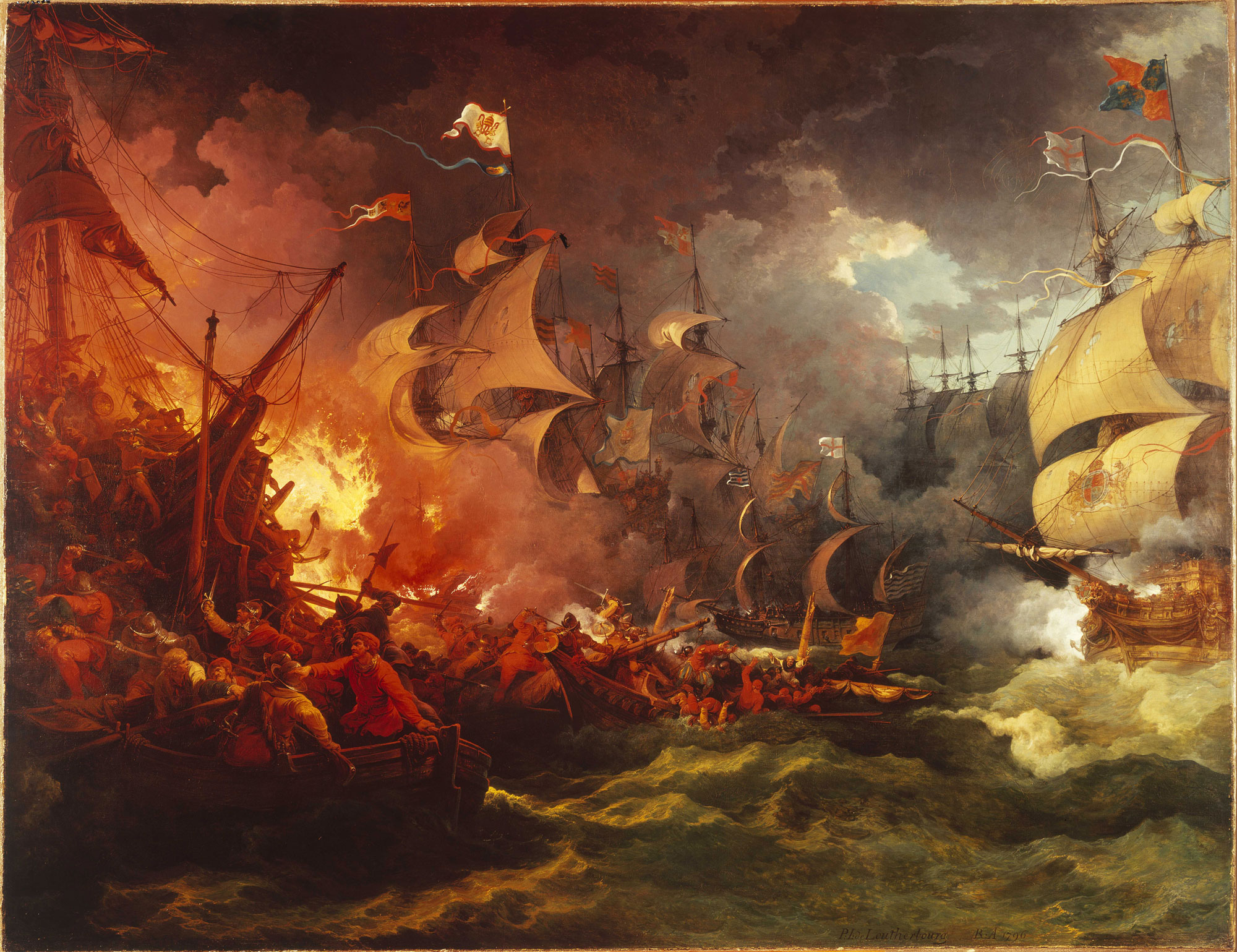
“Defeat of the Spanish Armada, 8 August 1588” – Philip J. de Loutherbourg (1796, public domain).
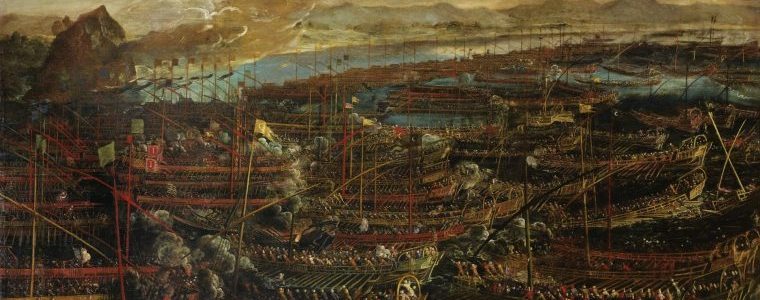
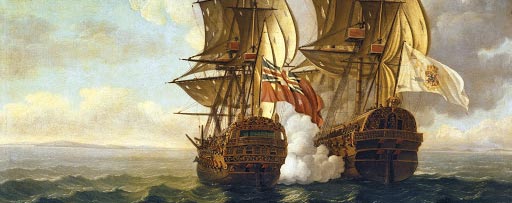
Gravelines was the third of three major encounters (after Plymouth and Portland), and it was closer to a tactical skirmish than to a decisive fleet action. Only three Spanish ships were lost that day—the galleons San Mateo and San Felipe and the galleass San Lorenzo—while the bulk of the Armada re-formed and repeatedly challenged Howard to close-quarters combat. Howard refused, citing a shortage of powder and heavy damage to more than sixty English hulls .
The ultimate dispersal of the Armada resulted above all from the weather: successive Atlantic storms in September drove many ships onto the coasts of Scotland and Ireland, where they wrecked in numbers far greater than those lost to English shot. “Defeat” at Gravelines, therefore, is at best a half-truth.
Statement 2
“Protestant isle”
England was indeed solidly Protestant, but Scotland remained a separate kingdom in 1588, and large stretches of the Highlands and the Hebrides were more Catholic than Rome. To label the entire archipelago a single “Protestant isle” is both politically and confessionally misleading.
Statement 3
“The Spanish ships were slower and less well armed than their English counterparts”
The Armada’s order of battle included twenty Atlantic galleons and four Mediterranean galleasses, each mounting heavy bronze ordnance superior in calibre to most English pieces. Lord Howard himself called the Spanish line “perfect and unassailable” before deciding “we durst not adventure to put in among them”. True, many transports were lumbering merchant vessels, but Spain’s fighting core carried more weight of metal and, man-for-man, the more experienced soldiers.
Statement 4
“… its ranks were thinned by the English assault”
The Spanish field returns list about 600 dead and 800 wounded for the Gravelines action. No major warship sank in combat. Conversely, Elizabeth I imposed a gag order on English losses after the Portland fight: her ministers practised a “systematic concealment of casualties”. Surviving manifests show twenty-eight English ships limping into Dover badly mauled, with another thirty-two beached at Flushing “in worse estate and with few souls alive”. “Thinned ranks,” if applied only to Spain, is an exaggeration.
Statement 5
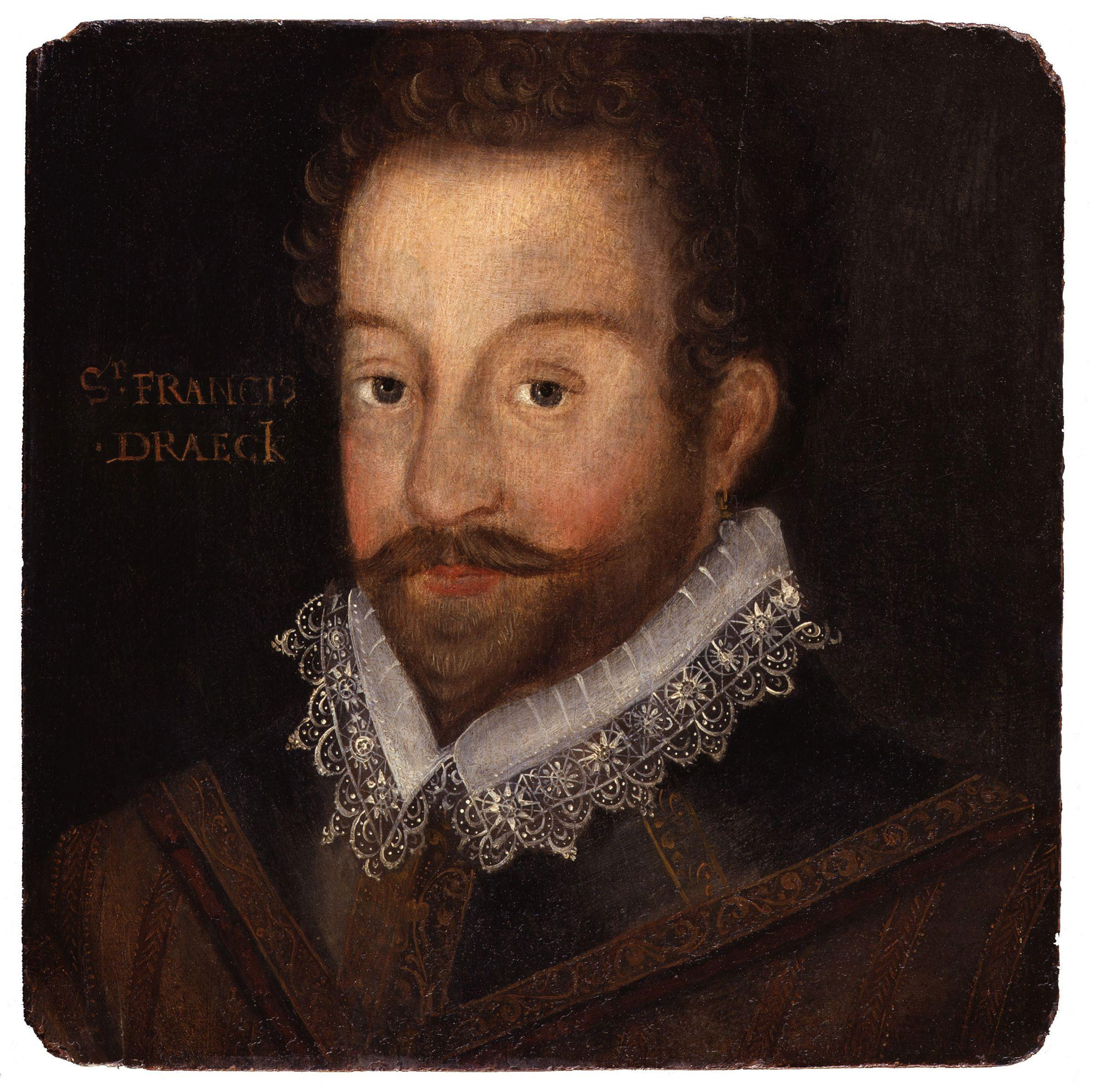
Sir Francis Drake (Jodocus Hondius, c. 1590, public domain).
“Queen Elizabeth’s decisive defeat of the Invincible Armada”
So decisive that, eight months later, the Crown launched the English Counter-Armada (Drake & Norris, 1589) “to destroy what remained of the Spanish fleet.” The expedition lost more than forty ships and between 11000 and 20000 men without sinking a single Spanish galleon or intercepting the Treasure Fleet. The ensuing disaster ruined investors, forced an information blackout, and nearly cost Drake his reputation at court.
Statement 6
“… made England a world-class power”
English naval predominance starts to consolidate only after the three Anglo-Dutch Wars (1652-1674) and, later still, with the 1707 victory at Cape Passaro in the War of the Spanish Succession. In 1604, exhausted and in debt, England signed the Treaty of London, pledging to suppress privateering and withdraw support from the Dutch. Spain, meanwhile, kept Portugal, Flanders and the Atlantic routes intact.
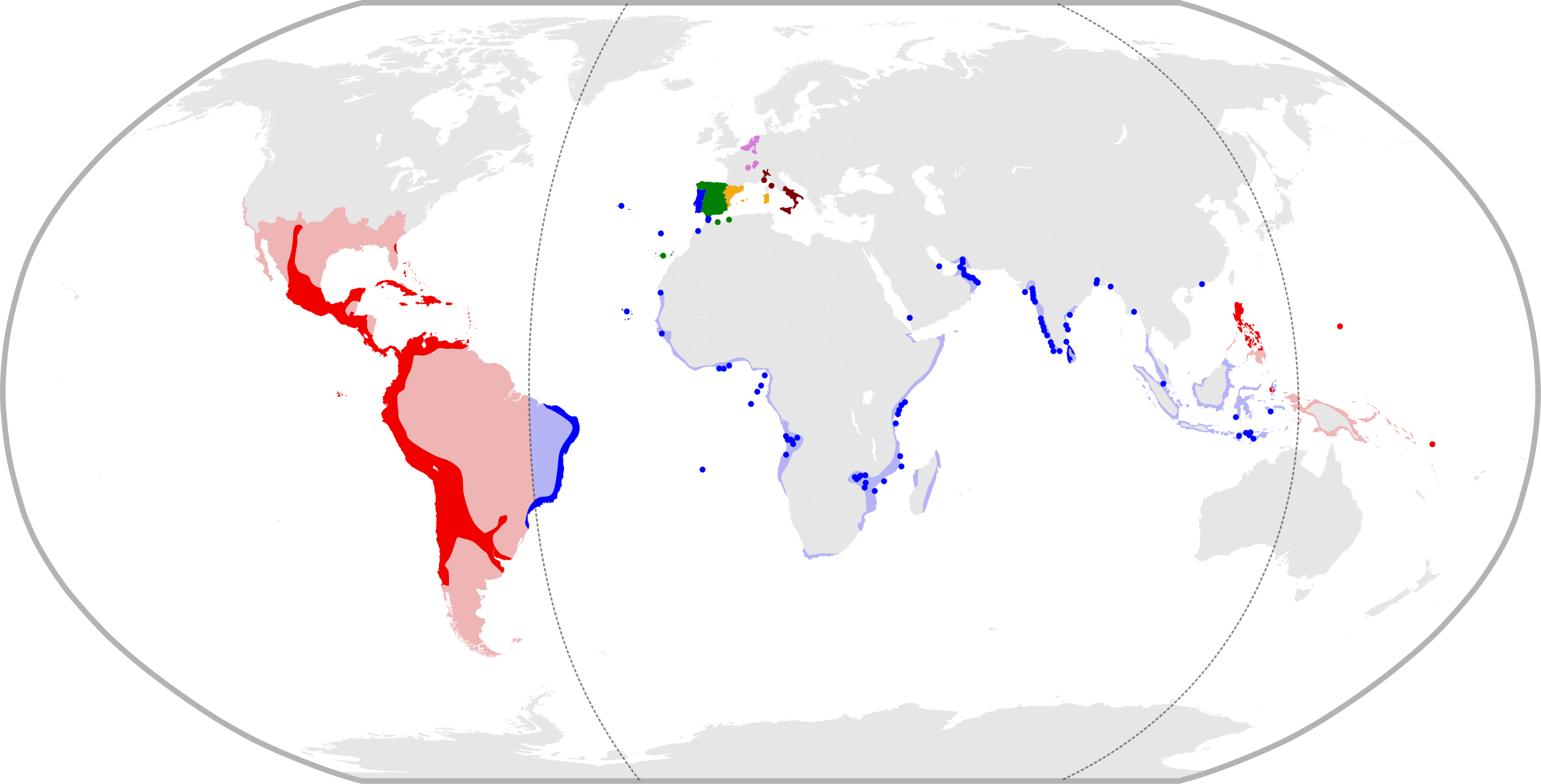
Extent of Philip II’s dominions in 1598 (public-domain map).
Statement 7
“… introduced effective long-range weapons into naval warfare for the first time”
Long-range bronze cannon had dominated Spanish galleons since the 1550s and were decisive at Lepanto (1571). The genuine English innovation lay in using ranged fire as a tactic of attrition, not in the invention of the weapons themselves.
Statement 8
“… ending the era of boarding and close-quarter fighting”
For an entire week (31 July-4 August 1588) Medina Sidonia tried to grapple and board; Drake and Hawkins consistently declined. European navies continued to practise boarding well into the seventeenth century—Solebay (1672) offers a textbook example.
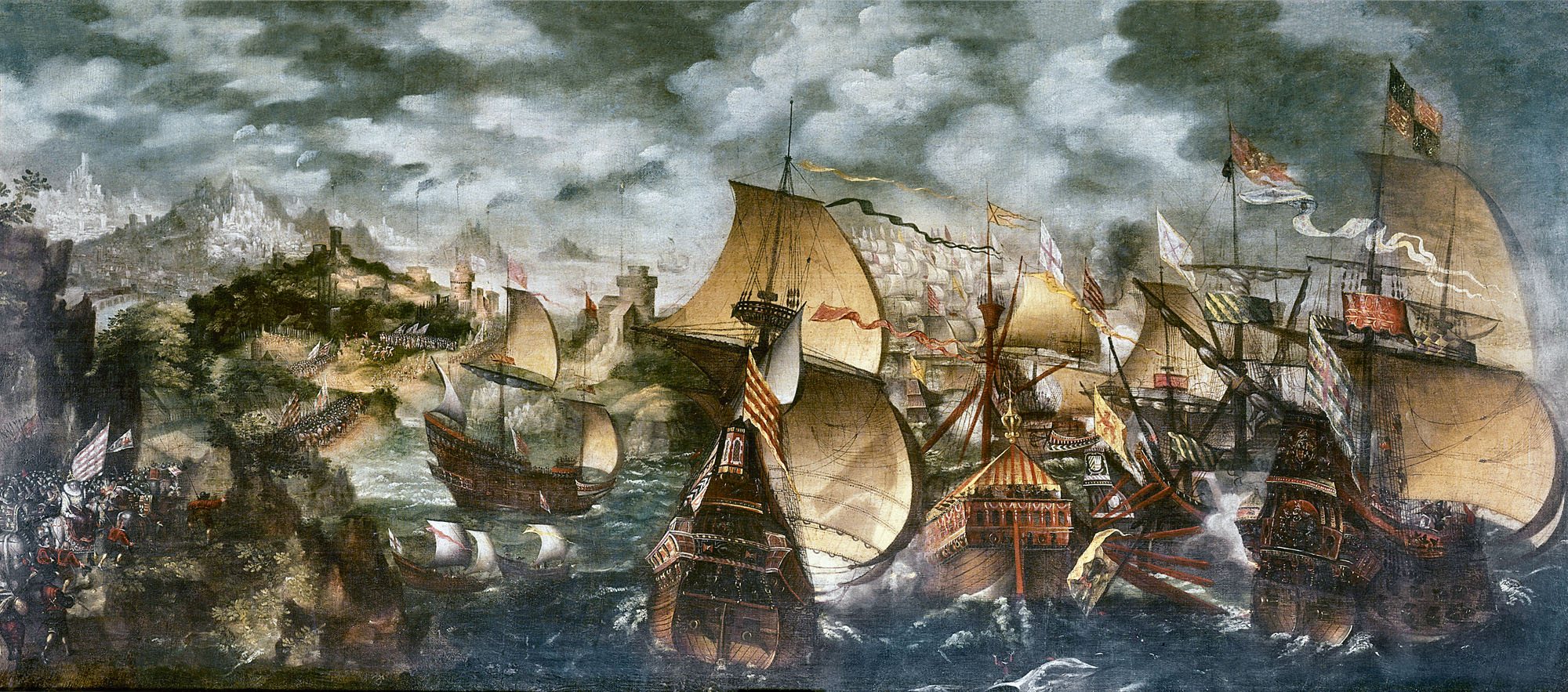
Contemporary copy after Nicholas Hilliard: the Armada enters the Channel (public domain).
From Two Armadas to One War (1585-1604)
All of the above unfolded within the broader Anglo-Spanish War. Victory in that nineteen-year conflict did not go to Elizabeth. The treaty ending the war was signed in London, yes—but it was Spain that dictated terms: Flanders and Portugal remained Spanish, the Treasure Fleets resumed under stronger escorts, and English privateering in the Caribbean ceased.
To judge 1588 in isolation, therefore, is to truncate the story. Gravelines was a tactical check to Spanish plans; it was not the annihilation that English propagandists claimed, nor did it reverse the strategic balance of power overnight.
Conclusion: Propaganda Versus Documents
The History.com article follows a venerable Elizabethan tradition: overstate English success, ignore Spanish resilience.
The documents suggest instead that:
- The English won tactical skirmishes, not a fleet-wide victory.
- The Armada withdrew in good order, its main combat vessels largely intact.
- The English Counter-Armada suffered the true catastrophe of the two-year cycle.
- English naval hegemony emerged only decades later, through different wars altogether.
As Lord Howard confessed after Gravelines, “We durst not adventure to put in among them, their fleet being so strong.” That candid line, buried by Tudor pamphleteers, still marks the gap between legend and history.
Sources
- Fernández Duro, Cesáreo. La Armada Invencible. 2 vols. Madrid: Imprenta y Fundición de Manuel Tello, 1884–85.
- Gorrochategui Santos, Luis. The English Armada: The Greatest Naval Disaster in English History. New Haven, CT: Yale University Press, 2018.
- Mattingly, Garrett. The Defeat of the Spanish Armada. Boston: Houghton Mifflin, 1959.
Archival Sources
- Archivo General de Simancas (AGS). Serie Guerra y Marina, legajos varios, 1585–1604. Simancas, Spain.
- State Papers Domestic, Elizabeth I, 1585–1604. The National Archives, Kew, United Kingdom.
Share this article
On this day
No Events
History of Spain