Need a new search?

If you didn't find what you were looking for, try a new search!

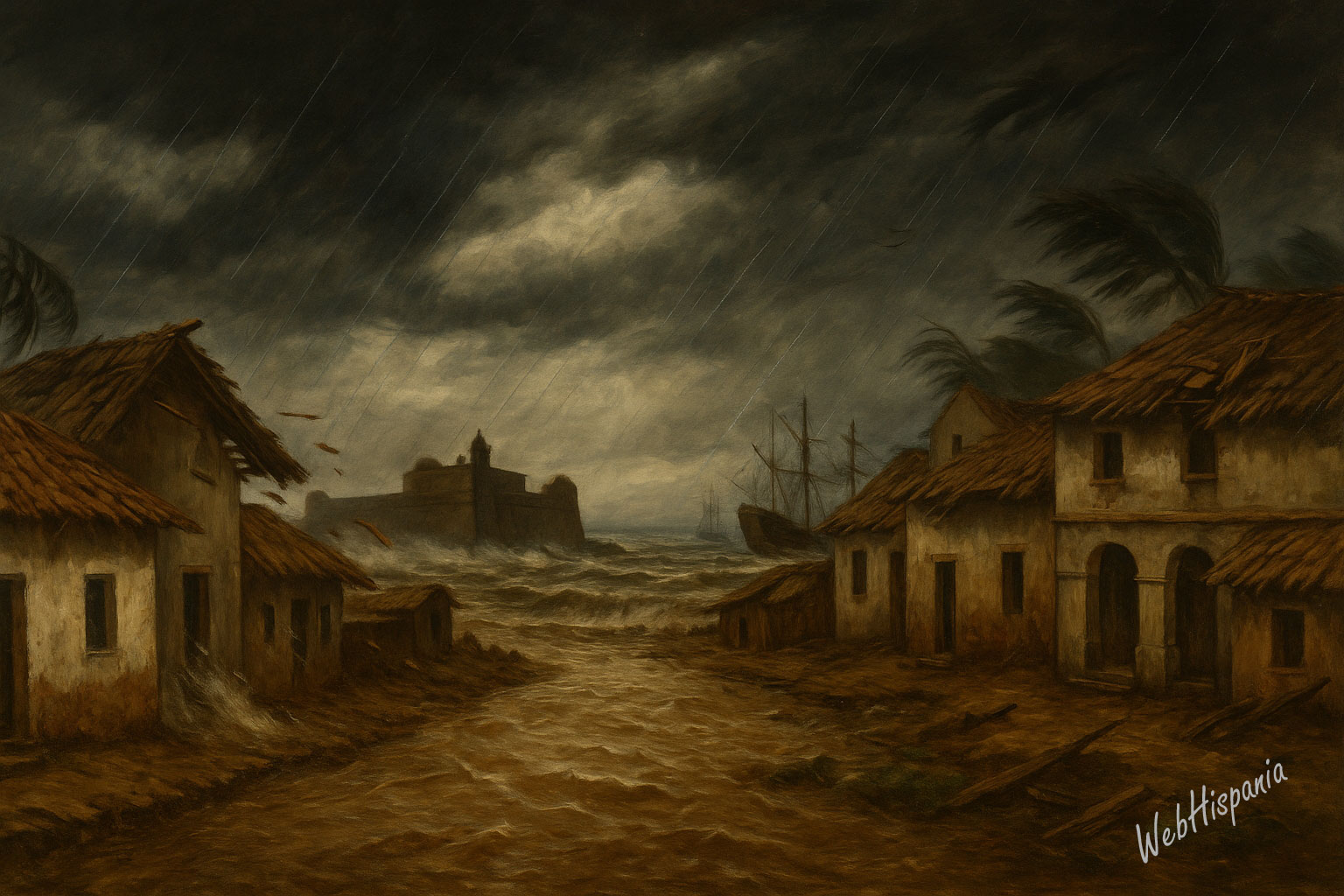
Veracruz 1552: The First Hurricane Recorded in New Spain

By |2025-07-25T10:04:20+01:00June 27th, 2025|History of Spain|

In 1552, a powerful hurricane struck the colonial city of Veracruz and the port of San Juan de Ulúa, marking the first official use of the word “huracán” in New Spain. This disaster shaped the urban and political trajectory of the region, revealing how colonial societies built—and rebuilt—in the face of catastrophe.

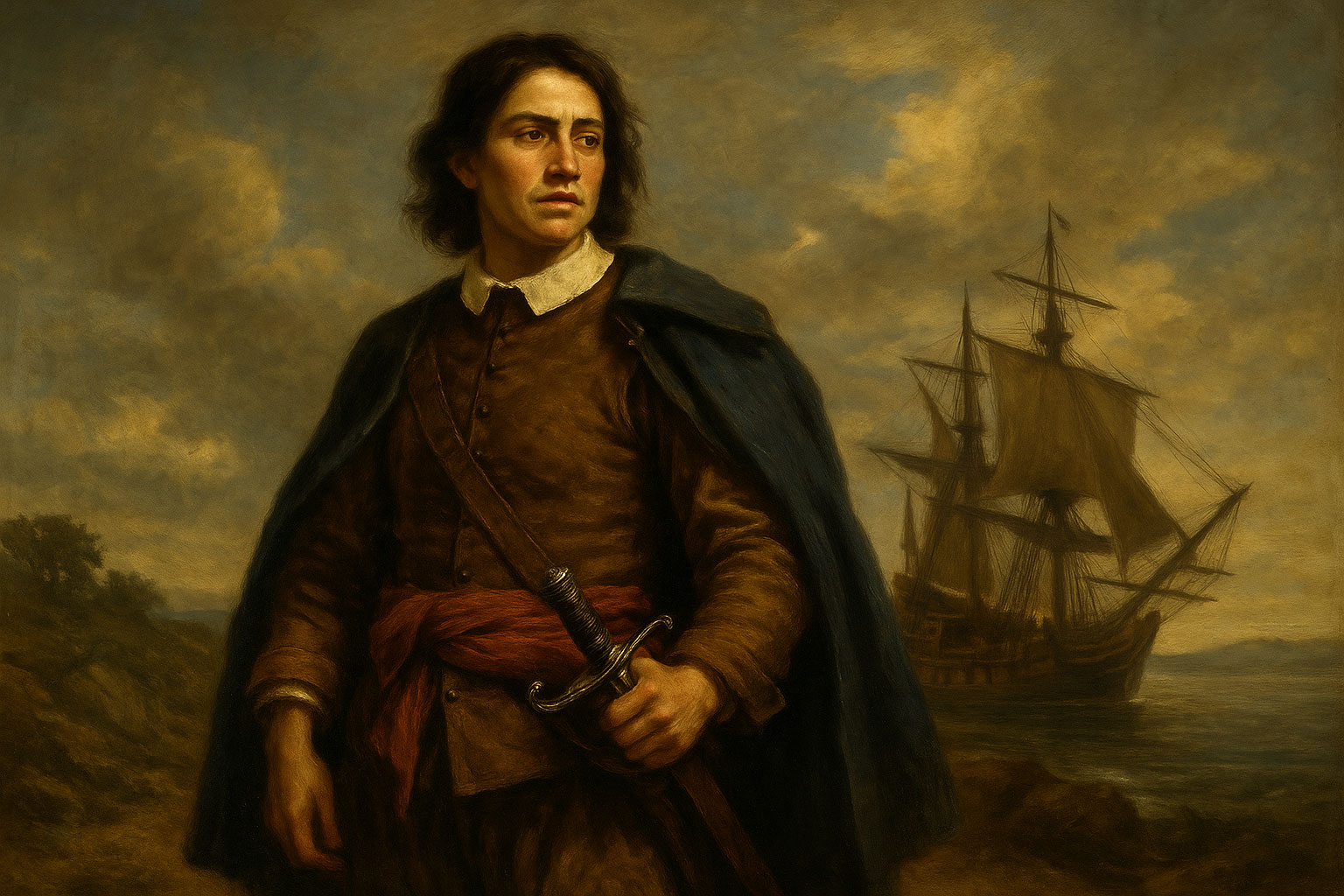
Catalina de Erauso, the Lieutenant Nun: Between the Sword, the Habit, and the Myth

By |2025-05-18T01:11:06+01:00May 18th, 2025|History of Spain, Debunking the Black Legend, Historical Figures|

In 1797, a massive British force attempted to seize Puerto Rico and failed. This article tells the story of how Spanish troops, local militias, freed slaves, and volunteers defended San Juan against overwhelming odds. Far from the image of a crumbling empire, this was a display of unity, strategy, and heroism that deserves a place in our historical memory.

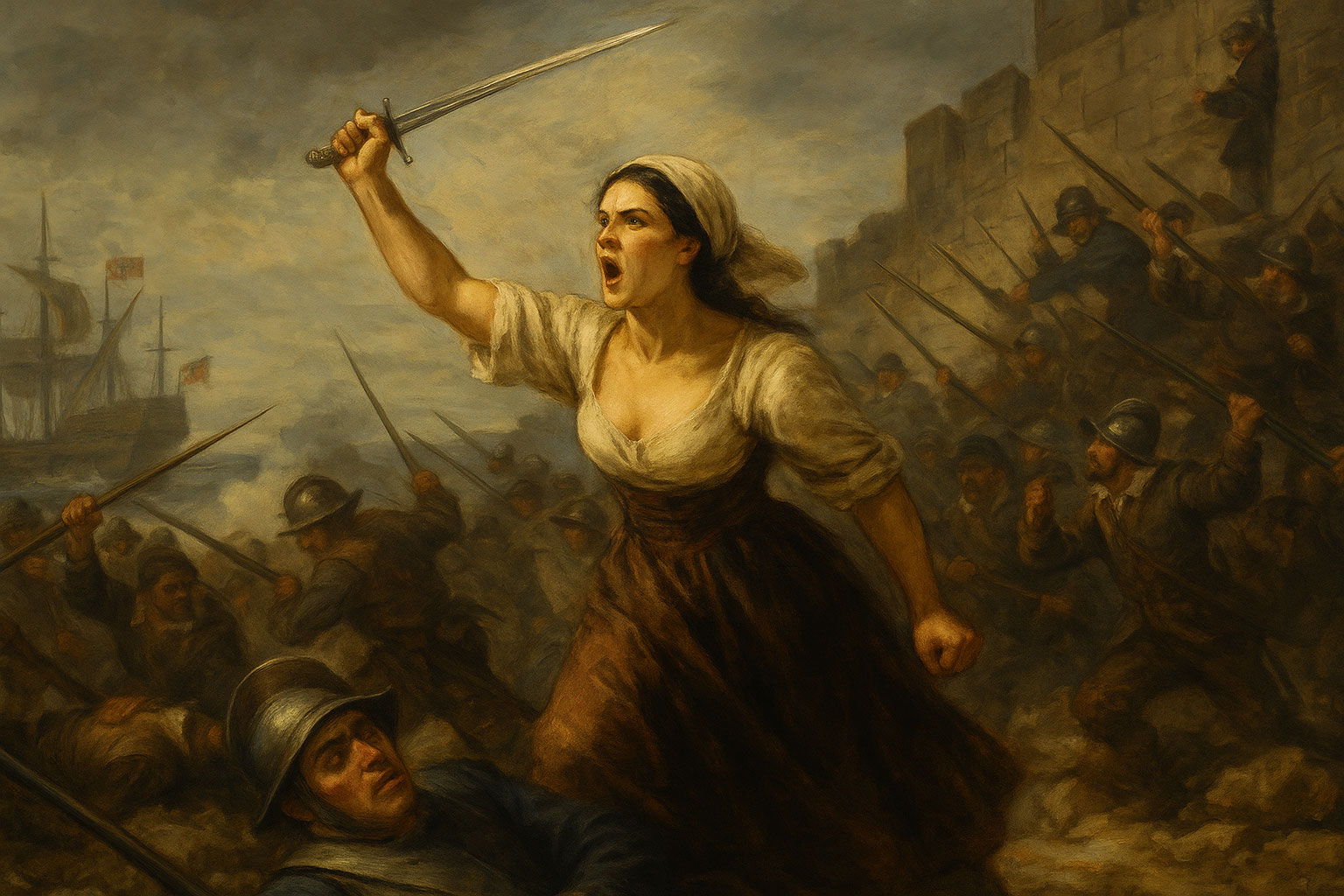
María Pita: The Spanish Woman Who Made Francis Drake Retreat

By |2025-05-18T00:11:31+01:00May 16th, 2025|History of Spain, Debunking the Black Legend, Historical Figures|

In 1797, a massive British force attempted to seize Puerto Rico and failed. This article tells the story of how Spanish troops, local militias, freed slaves, and volunteers defended San Juan against overwhelming odds. Far from the image of a crumbling empire, this was a display of unity, strategy, and heroism that deserves a place in our historical memory.

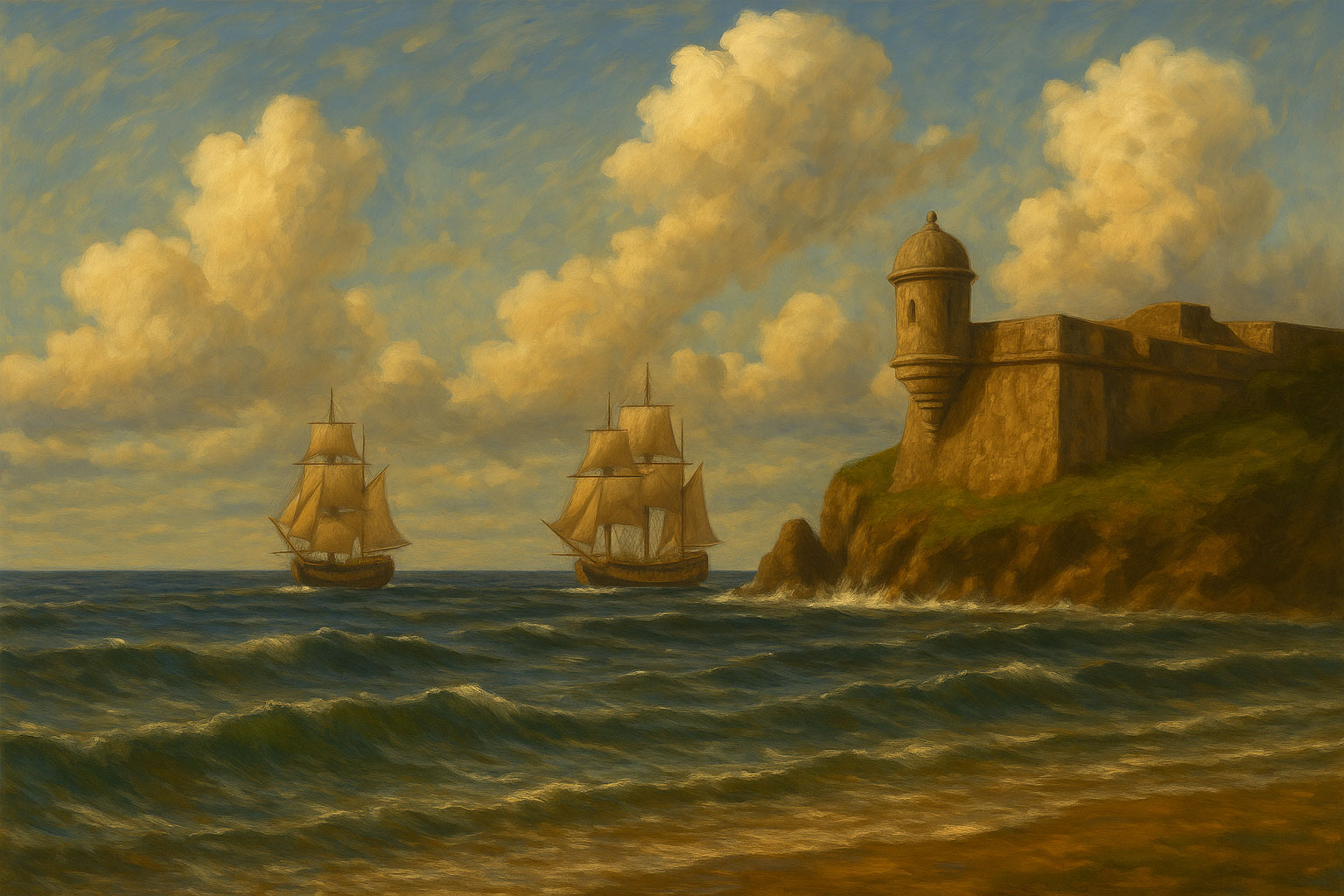
When Puerto Rico Stopped the Empire: The victory of 1797 against the British

By |2025-05-18T13:51:52+01:00May 14th, 2025|History of Spain, Debunking the Black Legend|

In 1797, a massive British force attempted to seize Puerto Rico and failed. This article tells the story of how Spanish troops, local militias, freed slaves, and volunteers defended San Juan against overwhelming odds. Far from the image of a crumbling empire, this was a display of unity, strategy, and heroism that deserves a place in our historical memory.

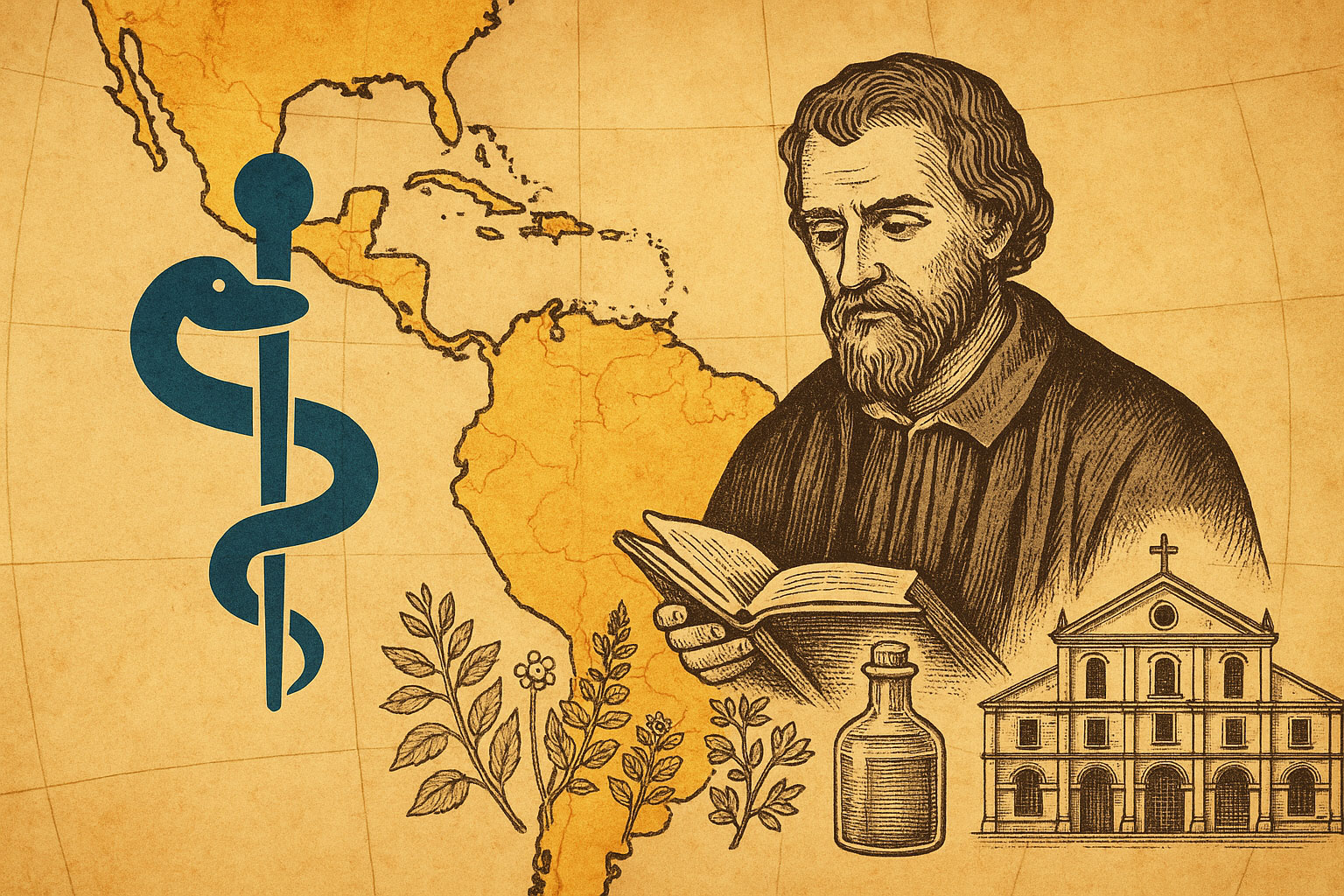
Pluralism, Power, and Institutions: Medicine in the Hispanic Territories Between the 15th and 17th Centuries

By |2025-05-12T15:36:41+01:00May 11th, 2025|History of Spain, Debunking the Black Legend|

This article explores the development of medical knowledge in the Spanish Monarchy’s territories between the 15th and 17th centuries. It highlights how Indigenous, African, and European traditions merged through healing, evangelization, and institutional regulation. From hospitals to the Protomedicato, medicine became a field of power, negotiation, and cultural synthesis in early modern Spanish America.

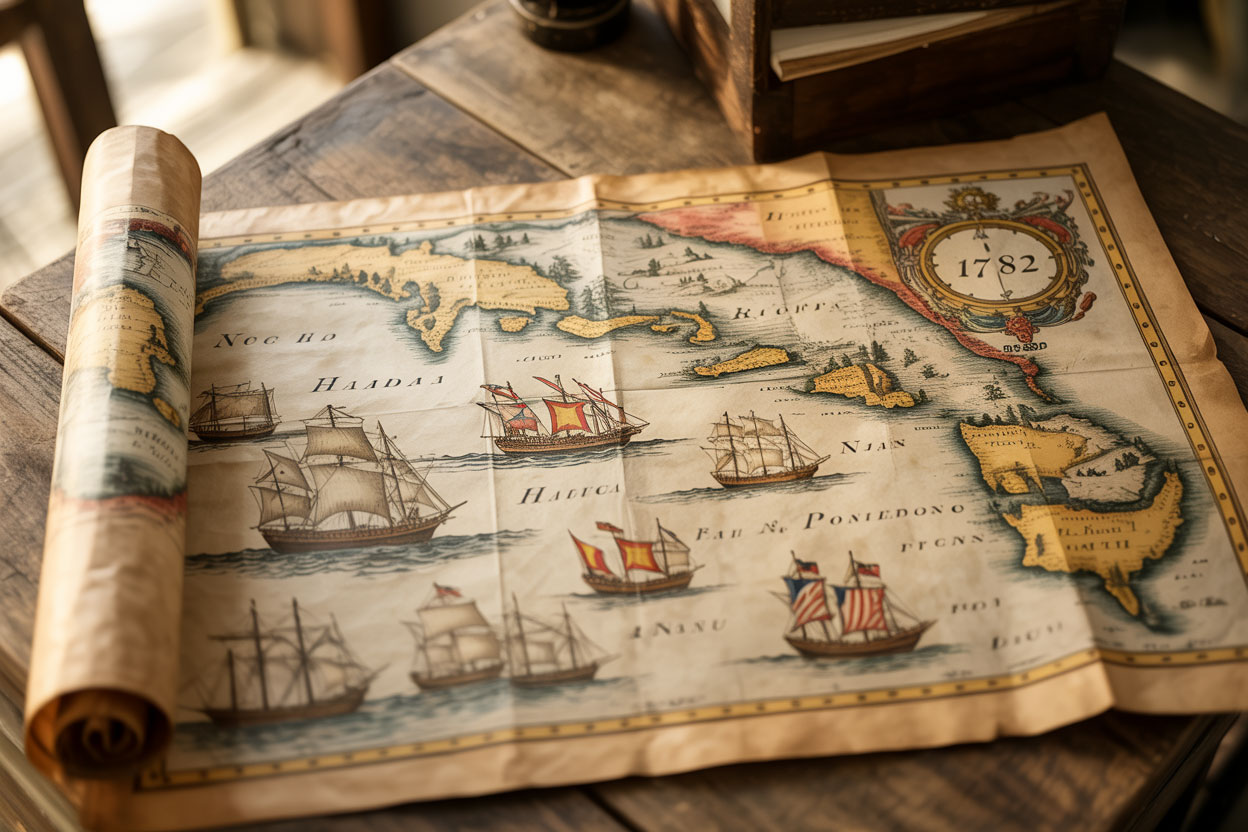
Bahamas 1782: The Last Battle of the Revolutionary War

By |2025-05-13T21:00:38+01:00May 5th, 2025|History of Spain|

History books cite Yorktown (1781) as the last battle of American Independence, but seven months later, a joint Spanish-American expedition captured Nassau in the Bahamas on May 8, 1782. General Juan Manuel Cagigal led 2,500 Spanish troops transported by Commodore Alexander Gillon's South Carolina vessels. The Bahamas, strategically important as a privateers' haven, were part of King Charles III's American strategy following Bernardo de Gálvez's victories in Louisiana and Florida. British Governor Maxwell surrendered without casualties. This little-known expedition represents the true final campaign of the American Revolution, concluded by the Treaty of Paris in 1783.

Response to Stephen Potts: The Treaty of Utrecht and Gibraltar (I)

By |2025-02-15T00:10:52+00:00January 31st, 2025|Debunking the Black Legend|

In response to Stephen Potts's interpretation of the Treaty of Utrecht regarding Gibraltar, this analysis examines why his fundamental assumptions are historically inaccurate. By examining the crucial distinction between property rights and sovereignty in 18th-century international law, supported by contemporary examples from across Europe, we demonstrate how Potts's reading contradicts both historical evidence and diplomatic practice of the period. His anachronistic application of modern UN principles to a 1713 treaty further undermines his argument.

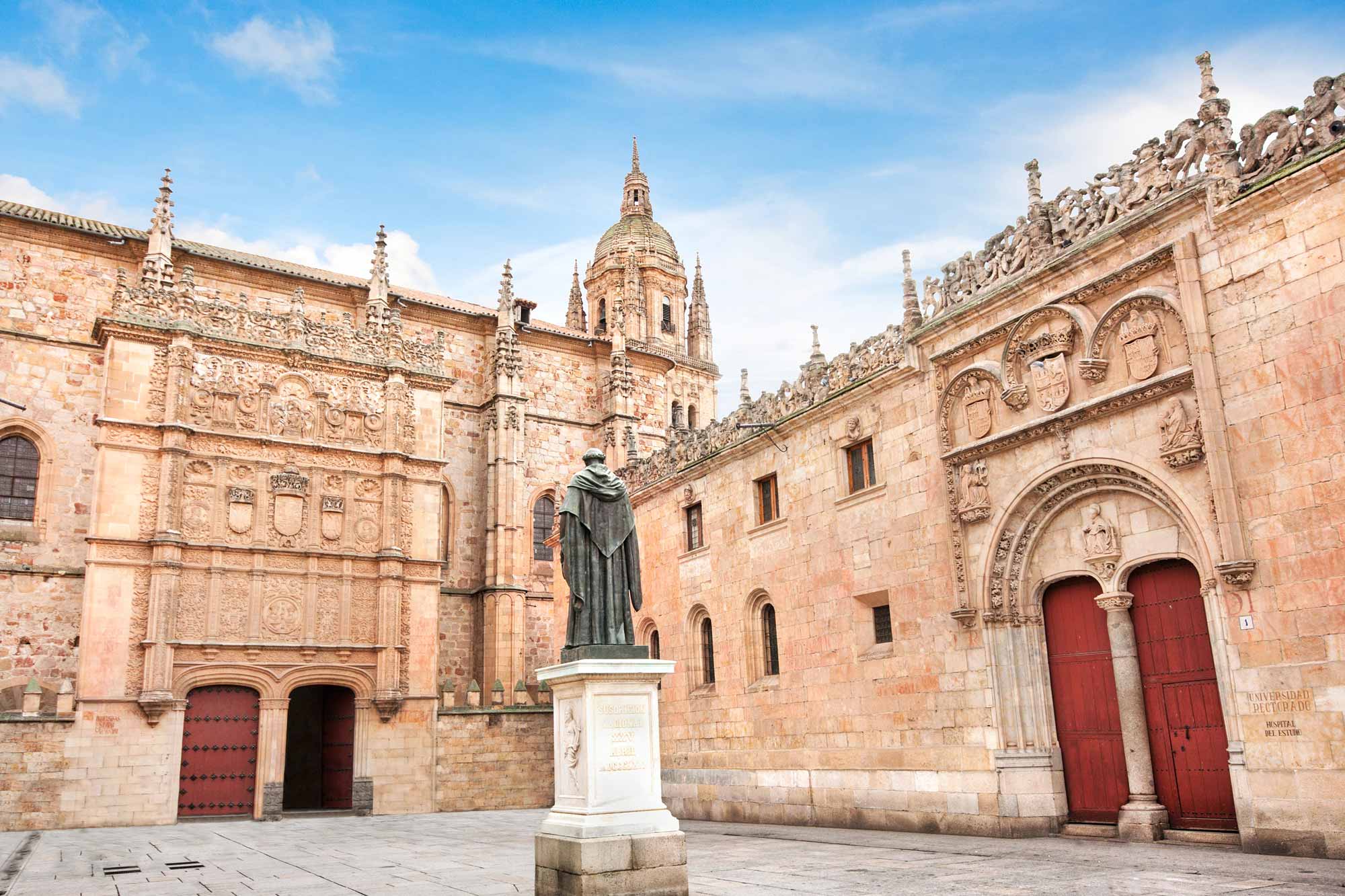
The School of Salamanca: the birth of human rights and the market economy

By |2025-07-30T09:22:12+01:00January 28th, 2025|History of Spain, Most Read|

The School of Salamanca, emerging in 16th century Spain, revolutionized modern thought with groundbreaking contributions to human rights, market economics, and international law. Its members, including Francisco de Vitoria and Juan de Mariana, established the foundations of natural law, modern economic theory, and individual liberties. Their influence persists today, from economic theory to international law, proving that Spain's Golden Age was also a golden age of universal thought.

The Cancellation of Our Traditions

By |2024-12-05T16:56:43+00:00December 3rd, 2024|History of Spain|

In a Protestant country, a simple shopping trip for Advent calendars reveals a disturbing trend: the gradual erasure of Western traditions. When "Advent calendars" become "countdown calendars" and "Merry Christmas" transforms into "Happy Holidays," we witness a society increasingly willing to self-censor its cultural heritage. This personal reflection explores how Western tolerance might be leading to cultural self-destruction, comparing it to allowing house guests to redecorate your home while they'd never permit the same in their own countries.

Go to Top